
18 Nov 2025
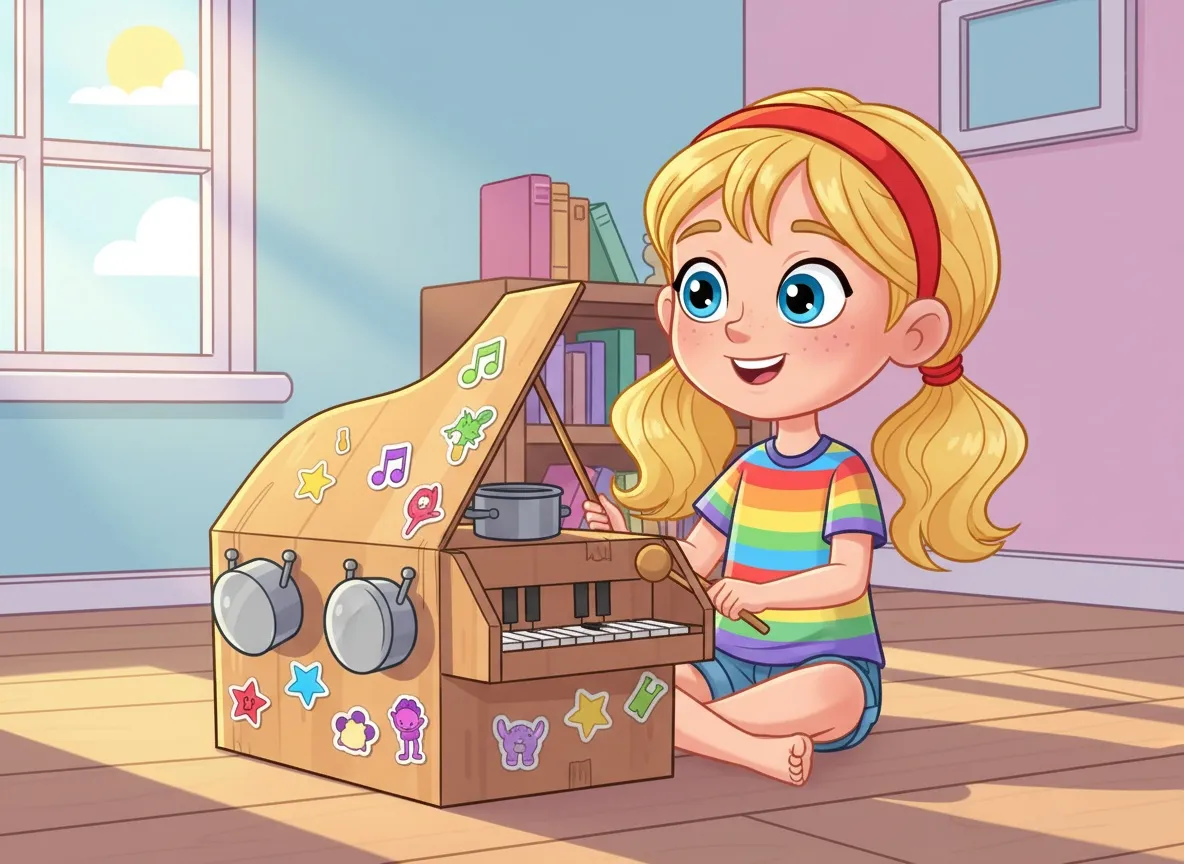
Lily loved music. Not just singing silly songs in the bathtub or clapping along to her favorite TV show, but real music. Music that swirled and soared and tickled her ears like tiny butterflies. More than anything, Lily wanted to play the piano. She imagined her fingers dancing on the keys, making beautiful notes that filled the world with joy.
But there was a problem. A big, sad problem. Lily's school didn't have a piano. And piano lessons were very expensive, more than her Mama and Papa could afford, even if they saved all their pennies.
Every night, before she snuggled into bed, Lily would look out her window at the starry sky. "Please," she would whisper, "I wish I could play the piano. Just a little bit!"
One evening, as Lily whispered her wish, she heard something. A faint, tinkling sound, like little bells chiming. She pressed her ear against the window. The sound was coming from… somewhere down the street!
Cautiously, Lily tiptoed downstairs, her bare feet padding softly on the floor. She opened the front door just a crack. The music was clearer now, a melody sweet and gentle.
"Mama? Papa?" she called softly, but they were fast asleep. Lily made a big decision. She would follow the music!
Wrapped in her favorite blue blanket, Lily ventured outside. The music led her down the street, past houses with sleepy windows, until she reached a building with a sign that glowed softly in the dark: "Harmony Hall Music School."
The music was definitely coming from inside! Lily peeked through a window. There, in a brightly lit room, was a big, shiny piano. A lady with kind eyes was showing a girl how to place her fingers on the keys.
Lily watched, mesmerized. She saw how the girl's fingers moved up and down, pressing the black and white keys in a special way. She saw how each key made a different sound, high or low, soft or loud.
The next morning, Lily told her parents all about Harmony Hall and the beautiful music she heard. Mama and Papa smiled. "Lily," Mama said, "we've been saving up a little at a time. We thought maybe, maybe, we could find some art lessons for you. But hearing how much you love the piano… we’ll use the money to see if they’ll let you enroll at Harmony Hall!"
Lily squealed with delight! Soon, she was enrolled at Harmony Hall. She learned about singing and dancing and playing simple instruments with the other children. But the piano lessons… those were only for the older, more experienced students.
Lily was sad, but she understood. Still, every day, after her classes finished, she would stand outside the piano room and listen. She listened to the teacher explain about scales and chords. She listened to the older students practice their songs. She listened, and she learned.
The piano room had big, beautiful windows. During the short breaks between lessons, the music teacher, Mrs. Melody, would open the windows to let in some fresh air. And sometimes, just sometimes, Mrs. Melody would smile at Lily and say, "Come on in for a few minutes, Lily. Just while the next student gets ready."
With hard work, creativity, and a listening heart, you can achieve your dreams, even when faced with challenges.
Story theme is Perseverance and the power of listening
Originally published on StoryBee. © 2026 StoryBee Inc. All rights reserved.
0 likes
For ten precious minutes, Lily would be able to sit at the magnificent piano. Mrs. Melody showed her how to find middle C, the ‘home base’ note. She showed her how to play a simple scale, one finger at a time. She told her about patterns in music – how some notes sound good together, and how others create tension and excitement.
Lily practiced diligently. She used her fingers like tiny workers, carefully placing them on the keys. She remembered seeing the older students and how they moved their fingers up and down. She observed the relationships between keys and sounds, linking higher notes with higher keys and lower notes with lower keys. Lily was problem solving. She asked herself, "How can I make this sound beautiful? What happens if move my finger one key to the right or to the left?"
Lily imagined the piano keys as colorful building blocks representing music notes. She linked primary colors to the major chords she learned during the ten minutes of lesson-time she had access to. Later she asked her dad to create a simplified version of the piano using cardboard such she could continue practicing at home. She used her engineering skills to create a model piano that she could use to train her fingers when she didn’t have access to the real piano.
She practiced on the cardboard piano. She pretended the cut out black and white keys could replicate the real musical notes. She learned to visualize the process of placing and lifting her fingers, moving them from one “cardboard key” to the next.
She asked her dad to help her create the sounds the cardboard piano would make using household objects and simple technology. She used water glasses half full with different quantities of water to replicate higher and lower sounds.
Back at Harmony Hall, she continued to perfect what she worked on at home. Gradually, Lily began to understand the science of sound and music. She learned that each key produced a different frequency of vibration, which our ears interpret as different notes.
She noticed how Mrs. Melody used different touches—soft and gentle, or firm and strong—to create different sounds on the piano. In her mind, Lily would analyze how the force and pressure created various mathematical effects.
One day, Harmony Hall decided to hold a special concert for all the students. Lily was so nervous, but she was selected to take part in the concert.
When Lily sat down at the piano, her heart fluttered like a hummingbird's wings. She took a deep breath, remembering everything Mrs. Melody had taught her. She imagined the cardboard piano and all the practice she put in.
Then, she closed her eyes and began to play. Her fingers danced on the keys, no longer clumsy and unsure, but confident and graceful. The music flowed from her, filling the room with its beauty. It was a simple song, but Lily played it with all her heart.
When she finished, the room was silent for a moment. Then, everyone burst into applause. Mrs. Melody rushed to the stage and gave Lily a big hug. "Lily," she said, "you are a natural! You have a true gift!"
From that day on, things changed for Lily. Mrs. Melody saw how dedicated she was and offered her extra lessons, free of charge. Mama and Papa were so proud of her hard work and determination.
And Lily? She kept practicing, her fingers dancing on the keys, filling the world with her beautiful music. She never forgot the little girl who stood outside the window, listening with all her heart. And she knew, deep down, that with a little listening, a lot of practice, and a whole lot of heart, anything is possible.
Lily’s musical journey didn’t just bring her closer to her passions, it ignited and strengthened her ability to apply science, technology, engineering, art and mathematics into her life. This way of problem solving became the foundation for all the creativity, innovation and curiosity that would light up her life.
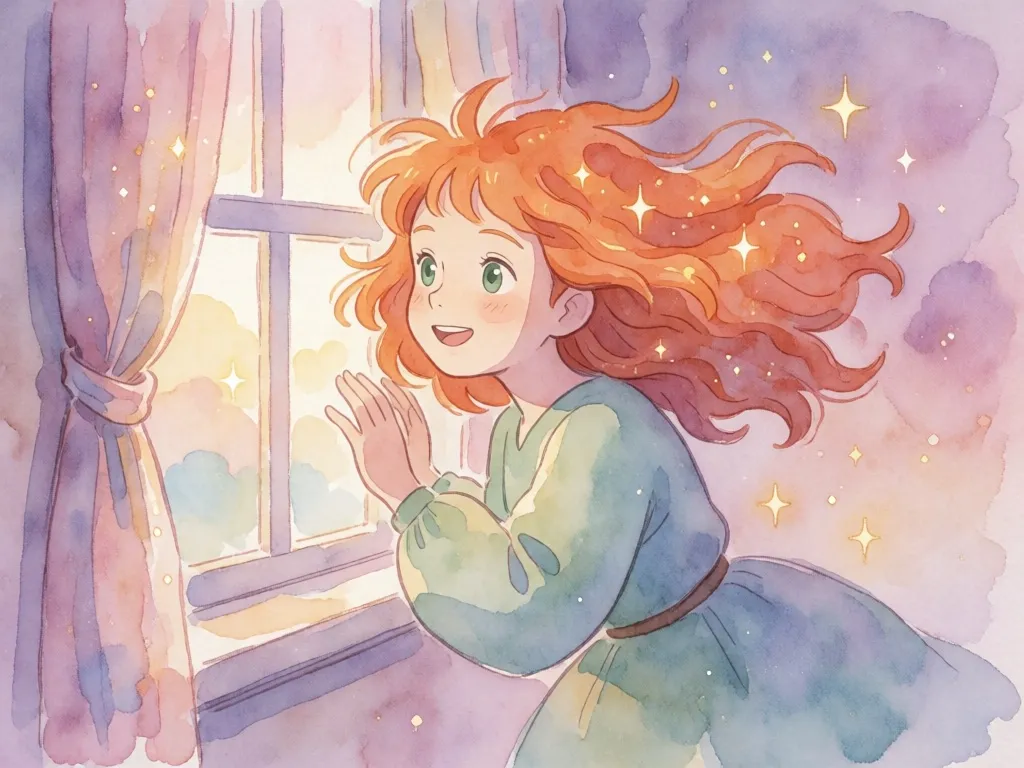
Read children story - Willow's Wobbly Ways to the Cloud Festival
Join Willow, a playful witch with fiery orange hair, on a whimsical quest! She dreams of soaring to the Cloud Festival, trying hilariously to fly using armchairs, umbrellas, and teapots. After many funny failures, she discovers her old broomstick, now touched by stardust, allowing her to gracefully ascend and share her magical secret with other enchanting witches.
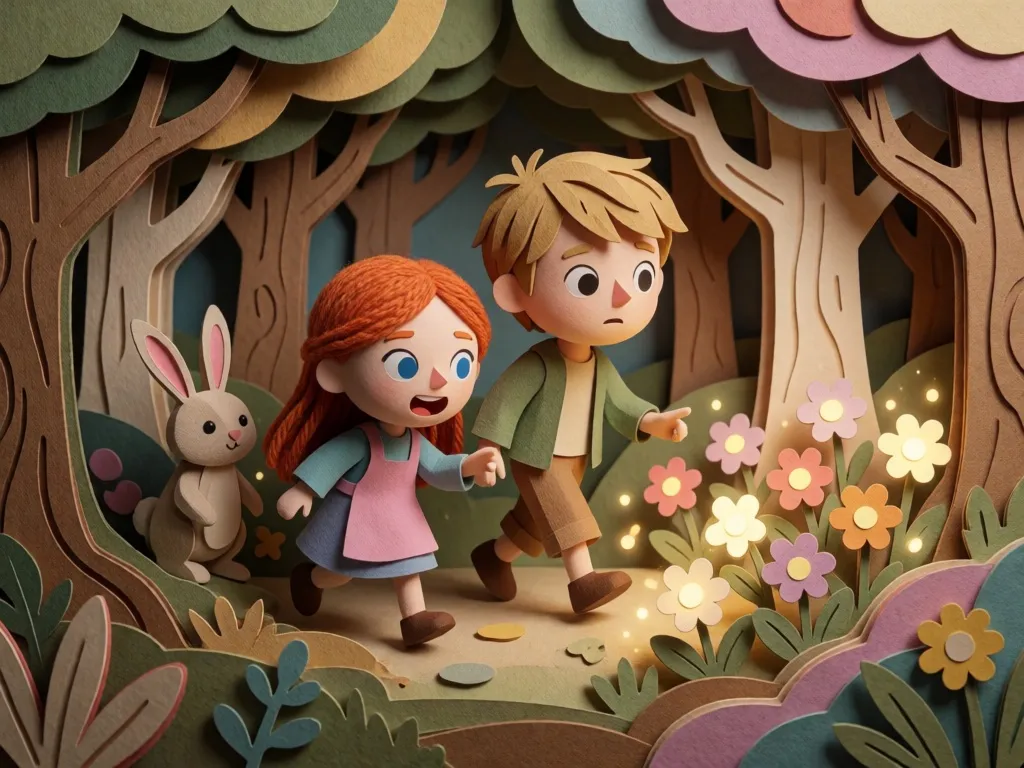
Read children story - The Glinting Bloom Mystery
Join Lily and Tom, a girl and boy, who step into a magical forest of glowing flowers. With a friendly bunny, Barnaby, they uncover the mystery of the fading blooms, helping a tiny creature named Glimmerwick and restoring the forest's magic. A heartwarming tale of kindness, curiosity, and problem-solving for ages 6-10.

Read children story - 小乌龟的大发现:莲花午餐!
在宽阔的河流上,一只迷路的小红蚂蚁得到了一只苔藓乌龟的帮助。它们一起克服水流,分享了一顿意想不到的莲花午餐。一个关于友谊和分享的奇幻冒险!
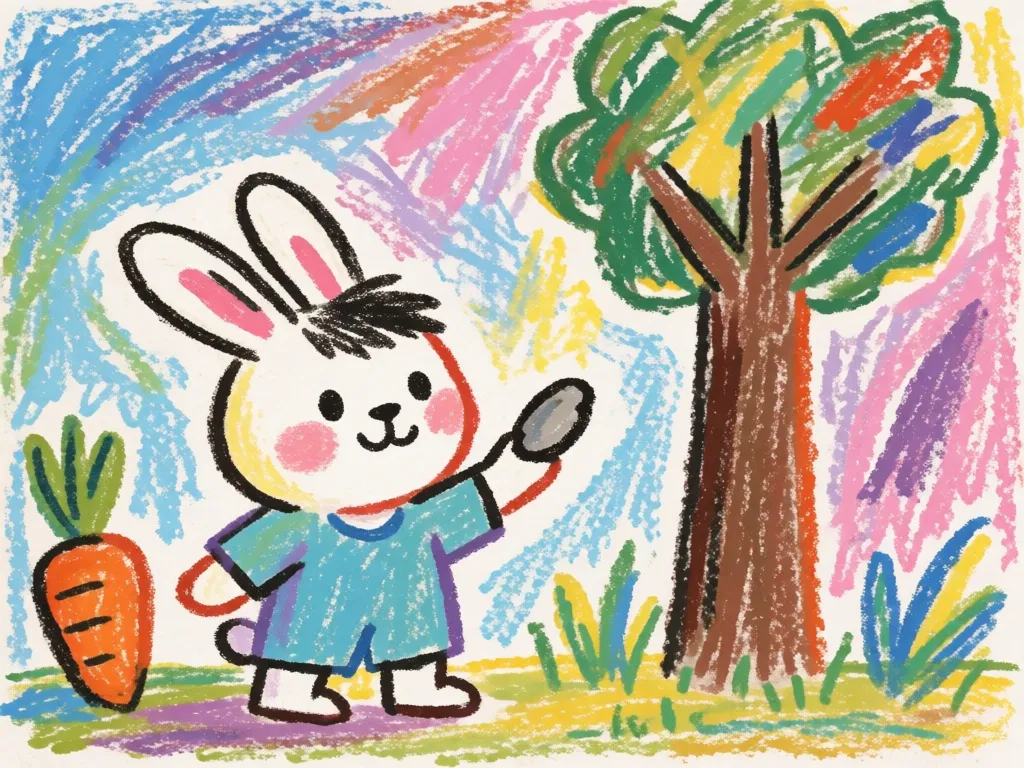
Read children story - खरगोश का चंद्रमा पर रोमांच
एक नन्हा खरगोश चंद्रमा पर जाने का सपना देखता है और एक चमकते पत्थर व ऊँचे पेड़ का उपयोग करके कोशिश करता है। अंत में, उसे अपने सपने का एक छोटा, चमकीला हिस्सा मिलता है।
Read children story - The Sunshine House's Blooming Surprise
En un mundo creado por un crayón rojo, una casita amarilla se despierta para encontrar un hermoso jardín floreciendo a su lado. Llena de alegría, decide organizar una fiesta de té para todos los animales del bosque, con el río ayudando a entregar las invitaciones en pequeños botes de hojas.

Read children story - Where Did All the Stars Go, Oliver?
Join Oliver & Sophia, 2-4 year olds, on an adventure solving a starry mystery at a lantern festival! Perfect for curious little explorers.