
24 Jul 2026
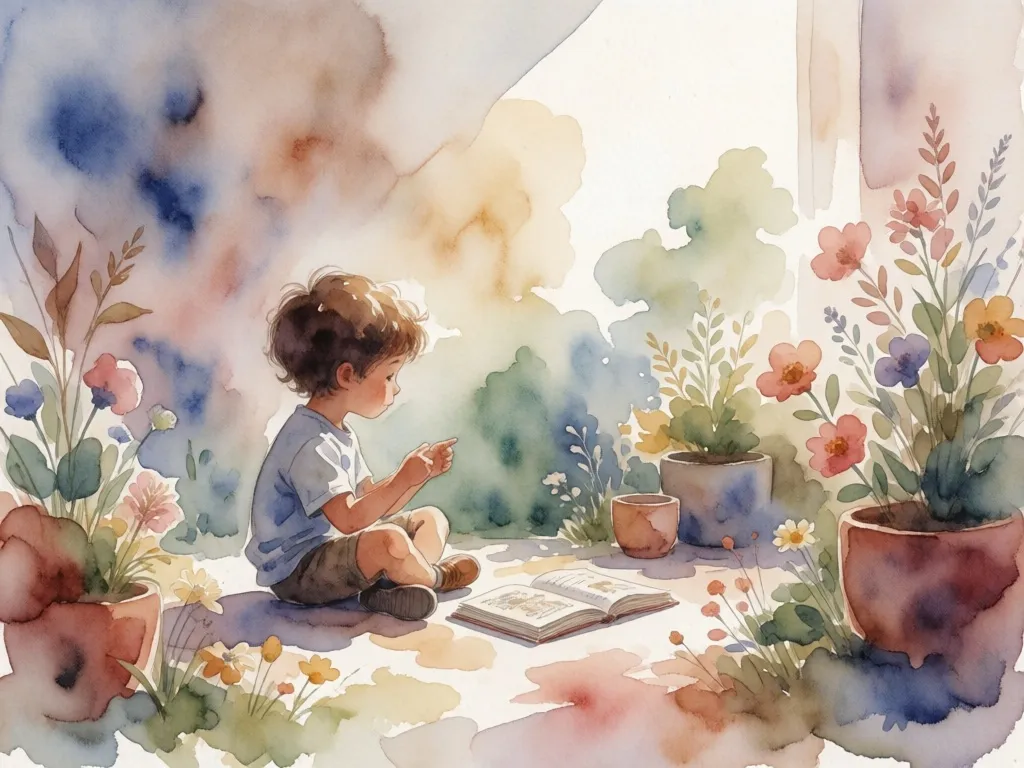
Leo, a curious kid with a mop of brown hair and an imagination that hummed like a busy beehive, stared at the dusty, oversized book his grandmother, Nana Rose, had just pulled from a hidden shelf. It wasn’t just any book; it was "The BIG Book of STEM Learning: Adventures in Science, Technology, Engineering, and Math!" Normally, Leo preferred building towering structures with his trusty magnetic tiles or crafting intricate paper airplanes that actually soared, but Nana Rose, an inventor in her own right (she once built a contraption to perfectly peel apples for her famous pie), insisted this book held secrets to even grander creations. This wasn't merely about reading; it was about discovering how kids, aged 6-10, could practice incredible STEMIE learning at home and in the classroom, turning everyday curiosities into real-world projects and inventions.
"This book doesn't just tell stories, Leo," Nana Rose said, her eyes twinkling. "It whispered to me that it's a map to becoming an inventor, a problem-solver, an entrepreneur!" Leo, intrigued, traced a finger over the ornate, slightly worn cover. Inside, the pages weren't filled with long paragraphs, but with vibrant illustrations, intriguing questions, and challenges that sounded less like schoolwork and more like an epic quest.
His first challenge, prompted by a brightly colored page titled "The Case of the Wobbly Table," was about engineering. The book showed a cartoon character, Professor Pip, struggling with a lopsided picnic table. "How can you make a wobbly table stable using only things you find in your house?" the caption challenged. Leo thought about the uneven leg. "Science!" he declared, remembering how gravity pulls everything down. "The table needs even support." He dashed to the kitchen and returned with a stack of coasters, a folded napkin, and a small wooden block. He tried them all. The napkin compressed too much, the block was too thick, but two coasters, stacked just so, perfectly leveled the leg. "Eureka!" he shouted, mimicking Professor Pip's catchphrase from the book. He'd used observation, experimentation, and a bit of creative problem-solving – the very essence of engineering design.
Next, the book led him to a section on technology. It wasn't about fancy gadgets, but about how simple tools can make tasks easier. "Design a better way to water Nana Rose's indoor plants without spilling," the book suggested. Nana Rose always struggled with her tall watering can, often drenching the floor. Leo pictured the problem. She needed something that could reach those high plants and deliver water precisely. He sketched a few ideas: a long, flexible tube attached to a funnel, a small pump connected to a hose. He remembered watching a video about ancient Roman aqueducts – brilliant engineering for water delivery! He didn't have a pump, but he did have a plastic bottle, some old tubing from a broken toy, and a small plastic funnel. He cut a hole in the bottle, attached the tubing, and secured the funnel. He filled the bottle with water, pinched the tube, and carefully maneuvered it over a plant. He released the pinch, and a steady stream of water flowed exactly where it needed to go. "It's a plant-watering innovation!" he beamed. This was his first real-world invention, a solution to a daily task, and he even thought about making a few more to sell to his neighbors – an early spark of entrepreneurial thinking.
With curiosity and a willingness to explore, anyone can become an inventor and solve real-world problems using STEM principles.
Story theme is Discovery, Innovation, Problem-Solving
Originally published on StoryBee. © 2026 StoryBee Inc. All rights reserved.
0 likes
Venture into the world of mathematics, the Big Book declared, leading him to a chapter called "The Great Cookie Count." It wasn't just about counting. "Nana Rose bakes cookies in batches of 12. If three friends each want an equal share, how many cookies does each friend get?" Leo loved Nana Rose's cookies. He grabbed some buttons and laid them out in groups of 12. He then tried dividing them into three equal groups. "Four!" he announced, pleased. The book didn't stop there. "What if five friends wanted cookies? And what if Nana Rose only had enough ingredients for 10 cookies?" These were real-world math problems, teaching him about division, fractions, and even estimation. He started seeing math everywhere: the number of steps to the park, the time it took to build a Lego tower, even the perfect angle for his paper airplanes to glide furthest.
The scientific journey took Leo to the backyard. The book presented "The Mystery of the Vanishing Puddles." After a rainstorm, puddles disappeared. Where did the water go? Leo, armed with a thermometer and a notebook, observed. He measured the puddle's depth. He noticed the sun was shining. He recalled a picture in the book showing water turning into vapor and rising into the air – evaporation! He recorded the temperature before and after, noticed how quickly the smaller puddles vanished compared to the larger ones. He was conducting a real-life scientific experiment, forming a hypothesis (the sun makes the water disappear), observing, collecting data, and drawing conclusions. He even drew diagrams of the water cycle, a concept he now understood not from a textbook, but from his own outdoor adventure.
One afternoon, while working on a "Bridge Building Challenge," the book opened to a page that sparked a whole new idea. "Design a device that helps people carry heavy groceries from the car to the house without making multiple trips." Leo had seen his parents struggle with this, especially after a big grocery run. This wasn't just about building a strong bridge; it was about designing a solution for a human problem. This was the heart of entrepreneurial thinking, identifying a common annoyance and inventing something to fix it.
He started by brainstorming. A cart? Too bulky for tight spaces. A special bag? Still heavy. He remembered Professor Pip in the book talking about "leverage" and "simple machines." He thought about wheels. He found some old skateboard wheels, scraps of wood from Nana Rose's workshop, and a sturdy old laundry basket. He sketched out a design: a platform with wheels that could hold the basket. He cut the wood, attached the wheels, and secured the laundry basket. It wasn't perfect; the basket kept tipping. He realized he needed a stable base. He redesigned it, adding a wider base and even a small handle made from a discarded broomstick. He tested it by filling the basket with books. It worked! He proudly wheeled it from Nana Rose's workshop to the kitchen, demonstrating its ability to carry a heavy load with ease. This was his "Grocery Glide," a prototype for his first true invention. He even thought about how he could make it foldable, more durable, and maybe even a different color – continuously improving his design.
The book also encouraged him to share his ideas, to present them through storytelling. "An inventor's job isn't finished until they can explain their invention," one page declared. Leo practiced explaining his Grocery Glide to Nana Rose, describing the problem, his design process, and how it solved the problem. He made a little poster with drawings, just like in the book. He learned that communicating his ideas clearly was just as important as building them. This was his first "pitch," a skill he realized would be vital for any future inventor or entrepreneur.
The Big Book of STEM Learning wasn't just a book anymore; it was a companion, a guide to a world of endless discovery. It showed Leo how observation (science), clever tools (technology), building solutions (engineering), and understanding measurements (math) were interwoven into everything around him. He learned that mistakes weren't failures, but opportunities to learn and redesign. He discovered how to identify problems, brainstorm solutions, create prototypes, and even imagine how his inventions could help others – the powerful blend of STEM and entrepreneurship. Whether it was studying the trajectory of a thrown ball (physics!), programming a simple sequence on a toy robot (basic coding!), or calculating the best deal at the grocery store (financial literacy!), he understood that every activity held a STEMIE lesson. From his wobbly table fix to his innovative plant-waterer and the Grocery Glide, Leo realized he wasn't just a kid who loved building; he was a budding inventor, an entrepreneur, always ready for the next challenge the whispering pages of the Big Book of STEM had in store.
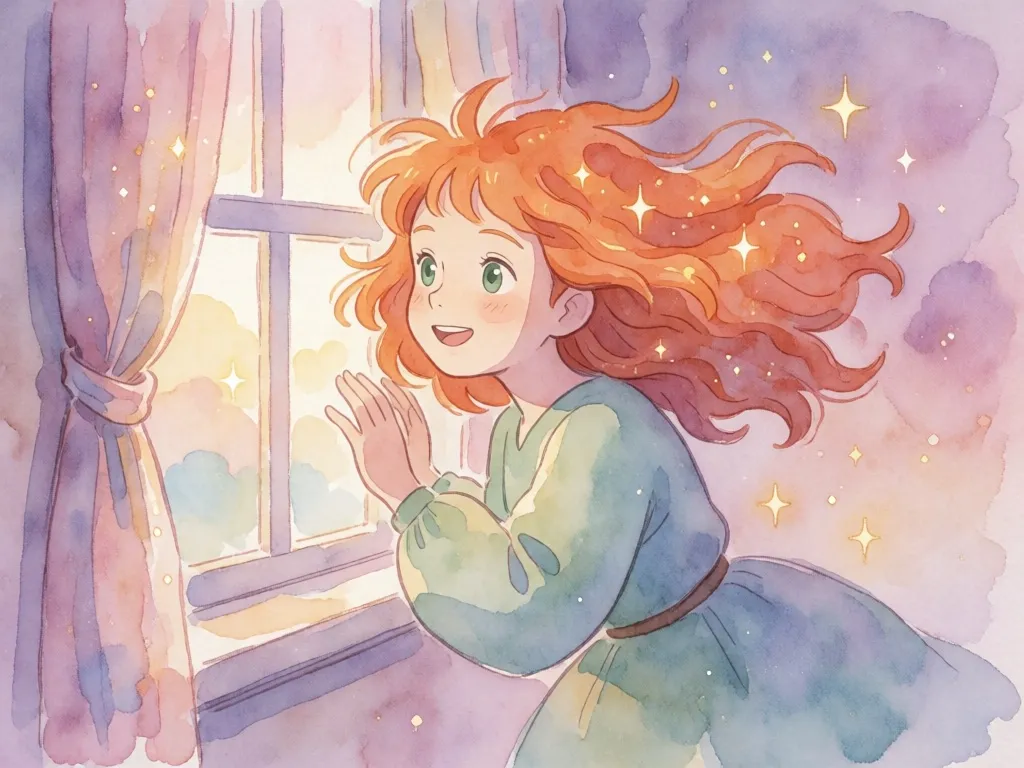
Read children story - Willow's Wobbly Ways to the Cloud Festival
Join Willow, a playful witch with fiery orange hair, on a whimsical quest! She dreams of soaring to the Cloud Festival, trying hilariously to fly using armchairs, umbrellas, and teapots. After many funny failures, she discovers her old broomstick, now touched by stardust, allowing her to gracefully ascend and share her magical secret with other enchanting witches.
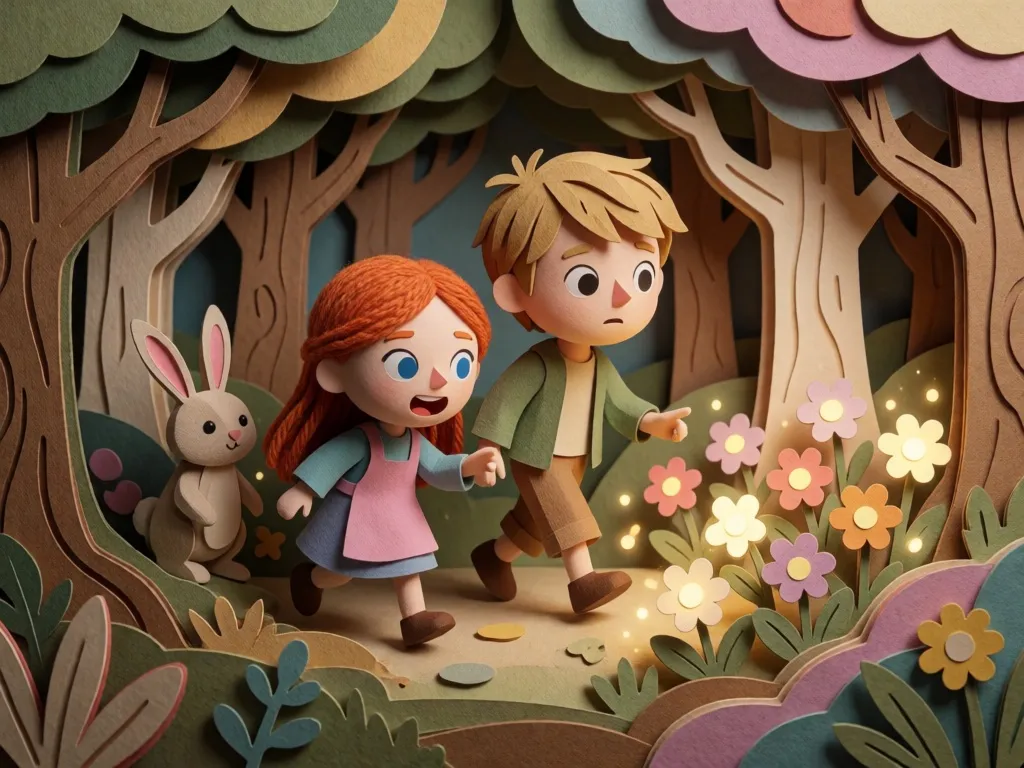
Read children story - The Glinting Bloom Mystery
Join Lily and Tom, a girl and boy, who step into a magical forest of glowing flowers. With a friendly bunny, Barnaby, they uncover the mystery of the fading blooms, helping a tiny creature named Glimmerwick and restoring the forest's magic. A heartwarming tale of kindness, curiosity, and problem-solving for ages 6-10.
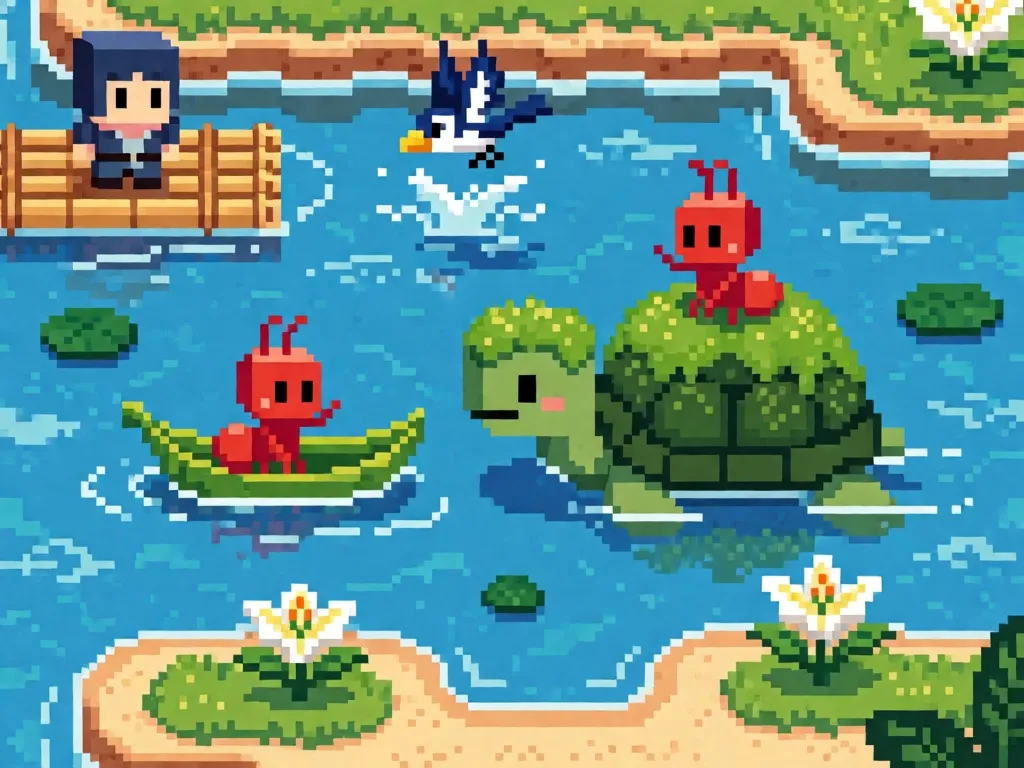
Read children story - 小乌龟的大发现:莲花午餐!
在宽阔的河流上,一只迷路的小红蚂蚁得到了一只苔藓乌龟的帮助。它们一起克服水流,分享了一顿意想不到的莲花午餐。一个关于友谊和分享的奇幻冒险!
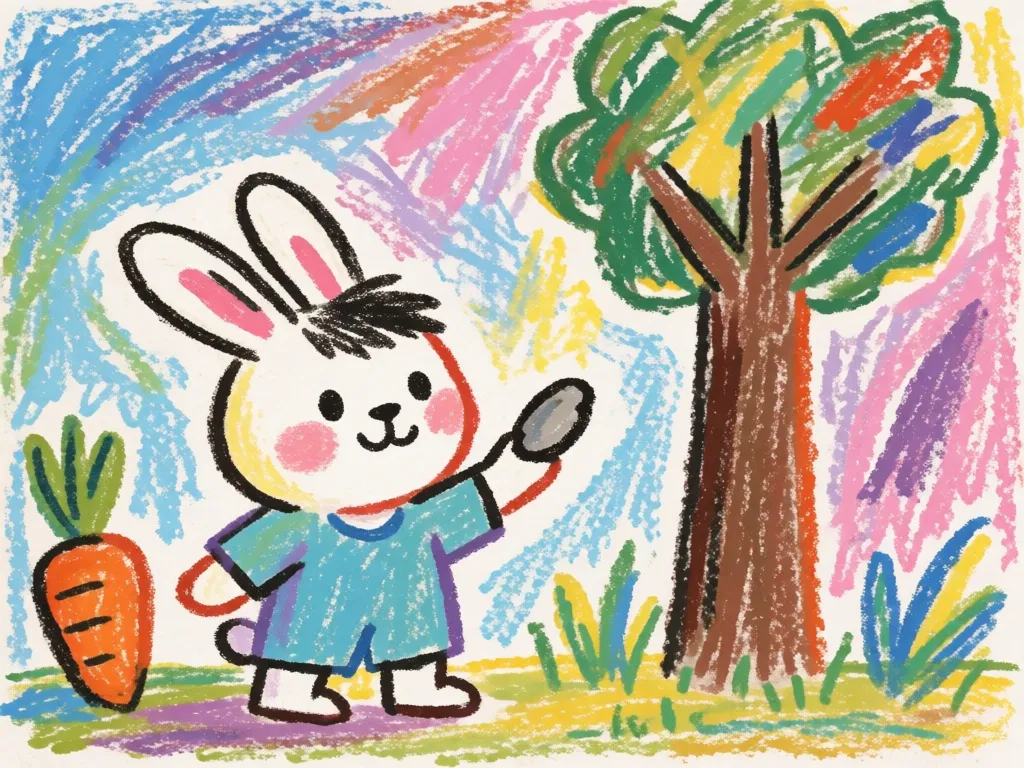
Read children story - खरगोश का चंद्रमा पर रोमांच
एक नन्हा खरगोश चंद्रमा पर जाने का सपना देखता है और एक चमकते पत्थर व ऊँचे पेड़ का उपयोग करके कोशिश करता है। अंत में, उसे अपने सपने का एक छोटा, चमकीला हिस्सा मिलता है।
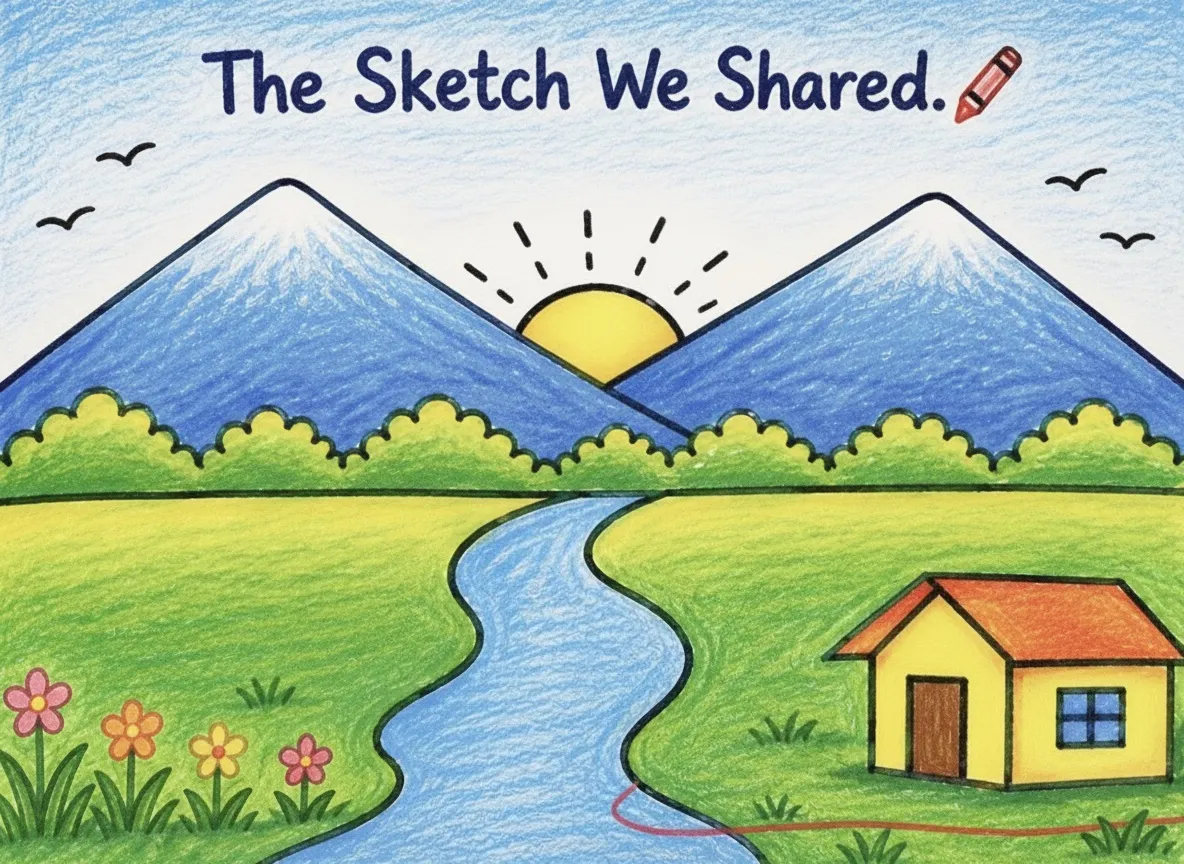
Read children story - The Sunshine House's Blooming Surprise
En un mundo creado por un crayón rojo, una casita amarilla se despierta para encontrar un hermoso jardín floreciendo a su lado. Llena de alegría, decide organizar una fiesta de té para todos los animales del bosque, con el río ayudando a entregar las invitaciones en pequeños botes de hojas.

Read children story - Where Did All the Stars Go, Oliver?
Join Oliver & Sophia, 2-4 year olds, on an adventure solving a starry mystery at a lantern festival! Perfect for curious little explorers.