A children's story podcast can earn money, but not from listens alone. The money comes from a mix of Apple subscriptions, YouTube, sponsors, listener support and products made from your stories, and it grows with your audience. StoryBee handles production: it writes the stories, narrates them in a voice that sounds like you, and hosts your podcast feed. Platforms, sponsors and listeners pay you directly.
This guide covers each way to earn, which ones work for a kids' show, and the rules that catch new children's podcasters out. If you're deciding between a podcast and an affiliate program, start with how to make money from children's stories with AI.
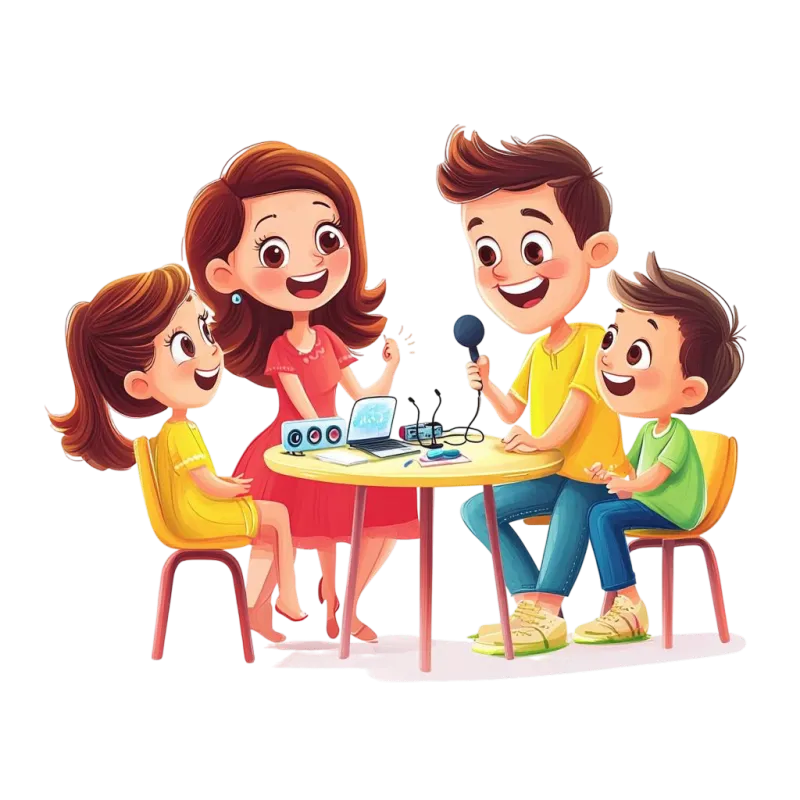
Parents look for audio that keeps kids calm without a screen: at bedtime, on car rides, during quiet time. A story podcast fits all three, and a family that finds a show it likes tends to come back to it night after night.
Stories also keep. A bedtime story published today works just as well in three years, so every episode keeps finding new listeners. Our own show, StoryBee Tales, has 80 episodes on Apple Podcasts and Spotify, all made with StoryBee.
You don't need a recording setup, editing software or a separate hosting account.
Podcasts are included on Bee Hive and above; see the pricing page. The podcast publishing guide walks through each platform, and How to Create and Monetize Your Own Voice Podcast covers the creative side.
Apple lets listeners pay for extra content inside Apple Podcasts. You join the Apple Podcasters Program, which has an annual fee (US$19.99 in the US), set a subscription price, and offer subscriber-only episodes. You keep 70% of each subscription payment, rising to 85% after a subscriber's first year.
StoryBee doesn't connect to Apple's subscription system, so you add bonus episodes yourself in Apple Podcasts Connect: download a story's audio from StoryBee, upload it as a bonus episode, and restrict it to paid subscribers. Bonus ideas that work for families:
YouTube can turn your podcast feed into videos, using your cover art, so you don't make videos yourself. To earn from ads, your channel needs to join the YouTube Partner Program: 1,000 subscribers plus 4,000 public watch hours in the last 12 months, or 10 million Shorts views in the last 90 days. From February 1, 2027, new applicants need 8,000 watch hours in the last 365 days, or 20 million Shorts views. Channels already in the program aren't affected.
A children's story show will almost always count as made for kids, because YouTube looks at whether stories, characters and activities target children. That setting changes what you can earn:
So treat YouTube as a way to reach families first, with ad revenue as a bonus once you qualify.
Family brands, such as children's books, toys, learning apps and kids' clothing, pay to reach parents. StoryBee generates each episode's audio, so sponsorship for a StoryBee show usually sits around the episodes rather than inside them: a sponsor credit in your podcast description, plus mentions in your newsletter or social posts.
Keep sponsor messages aimed at parents, never at children, and disclose every paid relationship. On YouTube, tick the paid promotion box. In the US, the FTC expects clear disclosure of any paid deal.
Some families are happy to pay a little for a show their kids love. Add a membership or tip link, such as Patreon, Ko-fi or Buy Me a Coffee, to your podcast description and social profiles. Give supporters something in return: a shout-out, early access, or a personalized story for their child, sent to them privately rather than published.
Every episode starts as an illustrated story. On plans with podcasts, you can design a storybook and download it as a PDF, and the plan's publishing license lets you publish and use the stories you create. Bundle a season into a printable storybook and sell it from your own site or a marketplace. Some marketplaces ask you to declare AI-generated content, so check their rules first.
If you also run an Instagram account or YouTube channel with 10,000+ followers or subscribers, you can apply to the Creator Partner Program and earn 20% of each payment a referred family makes in their first three months. A show whose listeners ask "how do you make these?" is a natural home for that link. See how content creators earn with StoryBee, and how to combine a podcast with affiliate income.
Spotify is great for reach, but its Partner Program and Memberships both require your show to be hosted on Spotify for Creators. StoryBee hosts your feed, so a StoryBee podcast can't join them. The listeners you build on Spotify still count: they follow you to the routes above.
A kids' show has a few extra rules, and following them protects both your audience and your income.
Most of the routes above need an audience, and audiences take time. A plan that works:
Don't count on income in the first months. YouTube has thresholds, and sponsors look for a track record. Consistency is what moves the numbers.
Can I really make money from a kids' story podcast? Yes, but it builds over time. Earnings come from Apple subscriptions, YouTube, sponsors, listener support, storybooks and referrals, and most of them need an audience first. StoryBee doesn't pay per listen: platforms, sponsors and listeners pay you directly.
Do I need recording equipment? No. A phone or laptop microphone is enough for the 30-second voice sample, and StoryBee creates the narration and hosts your podcast feed.
Which StoryBee plans include podcasts? Bee Hive and above. Compare what each plan includes on the pricing page.
Can a children's podcast earn ad revenue on YouTube? Yes, once your channel joins the YouTube Partner Program. Made-for-kids content only shows contextual ads, and features like memberships and Super Chat are off, so expect less ad revenue than a general-audience channel.
Can I join the Spotify Partner Program with a StoryBee podcast? No. Spotify requires shows to be hosted on Spotify for Creators, and StoryBee hosts your feed. Your show still reaches Spotify listeners, which helps you grow the other earning routes.
Who owns the stories in my podcast? You do. StoryBee's podcast terms say content you generate belongs to you, and plans with podcasts include a publishing license.
Do I have to say my podcast uses AI? When laws or platform policies require it, yes, and StoryBee's podcast terms make you responsible for it. A short line in your show description is an easy way to be upfront.
Ready to start? See how it works on the podcast publishing page, or follow the step-by-step publishing guide.

Two ways to make money from AI children's stories: publish them as a kids' story podcast that earns from Apple, YouTube, sponsors and listeners, or earn 20% affiliate commission referring families to StoryBee. What each pays, who it suits, and how to combine them.
Read more
Create and monetize your own voice podcast with StoryBee. Write stories, clone your voice, publish to Spotify, Apple Podcasts, and YouTube, and earn as your audience grows.
Read more
How the StoryBee Creator Partner Program works for creators whose audience includes parents, teachers or readers: how the 20% commission adds up, who can apply, content ideas that need no kids on camera, and how to disclose the partnership.
Read more