
08 Mar 2025 · 4-minute read · MINT

The scorching sun beat down on Maya, Leo, and Noah. Their family was on a road trip, and today’s destination was the vast, shimmering expanse of the Mojave Desert. The highlight? A picnic! But as they unloaded their basket, a critical problem arose: it was far too hot to leave the food out. Their carefully packed sandwiches, juicy fruits, and refreshing lemonade were at risk of spoiling under the intense desert heat.
“We need to build a cooler!” Maya declared, her eyes sparkling with an idea. “But we don't have one.”
Leo, the resourceful one, scanned their surroundings. “We have the car, blankets, and these big, flat rocks,” he pointed out. “And remember that science project on insulation we did at school?”
Noah, ever the artist, chimed in, “We could decorate it too! Make it a fun desert oasis cooler!”
Their combined creativity sparked a plan. First, they used the flat rocks to create a sturdy base. They then layered several blankets, creating a thick cushion between the rocks and the picnic basket. Remember that science lesson on insulators? They knew that blankets acted as excellent insulators – trapping air and preventing heat transfer. This was their natural “refrigerator” in the desert.
But the desert sun was relentless. They needed extra protection. Leo remembered a trick his grandpa taught him: burying things in the sand kept them cool. They carefully dug a shallow pit, placing their rock-and-blanket cooler inside. The cool, shaded sand added another layer of insulation, acting like a natural air conditioner.
Next came Noah’s artistic touch. He gathered colorful desert flowers and carefully arranged them around the cooler, transforming their temporary desert refrigerator into a vibrant, eye-catching oasis. He even used some twigs and leaves to create a miniature desert landscape sculpture alongside their makeshift cooler.
This design addressed multiple challenges: it kept the food cool, providing the necessary insulation; it shielded the food from direct sunlight, preventing rapid heating; and it was a collaborative effort, incorporating ideas from each child, demonstrating effective teamwork. They learned about insulation, heat transfer, and the importance of creative problem-solving using readily available resources, incorporating scientific concepts with artistic flair.
Their picnic now safe, the three eagerly unpacked their food. They even used large leaves as plates, understanding nature’s sustainability. Next, they decided to get creative with their newfound knowledge of simple engineering and materials science. They gathered some smoother stones and tried to build small dams in a nearby dry creek bed, applying their understanding of fluid mechanics and construction. Observing how the water flowed (after a small, controlled water experiment using their water bottles) helped them understand the concepts of flow and obstruction, enriching their understanding of simple physics.
Later, as the sun began to set, casting long shadows across the desert, Noah took out his tablet. He used a drawing app to create a digital representation of their “desert oasis cooler,” adding animations to show the heat flow and insulation. This helped him (and his friends) visually understand and remember the concepts that they have learned. They also shared their design for a desert cooler to a digital science forum where their innovative solution impressed many other young scientists and engineering enthusiasts.
Creativity, collaboration, and resourcefulness can overcome challenges.
Story theme is STEAM principles in problem-solving
Originally published on StoryBee. © 2026 StoryBee Inc. All rights reserved.
0 likes
As they packed up their things, feeling a sense of accomplishment, they realized their desert picnic was more than just a meal. It was a lesson in resourcefulness, collaboration, and the exciting world of STEAM. Their desert adventure had transformed from a potential disaster into a rewarding experience full of learning and fun. They used math when calculating the amount of sand needed, they used engineering when creating and designing their cooler; they used Science in understanding insulation, heat, and temperature; they used art when decorating their cooler, and they used technology when communicating their design via their tablet and a digital forum.
That night, huddled together under the starlit desert sky, they shared stories and dreams – dreams filled with innovative inventions and exciting STEAM-powered adventures yet to come.
Read children story - The Tempest Cup of Dragon Key
When a fierce storm ruins their outdoor stage, Roo the kangaroo and his friends improvise an epic soccer play in the rain to save their meadow sanctuary.
Read children story - Pol and the Giant Polka-Dot Shell
Join little Pol and baby dino Pip on an enchanting fairy-tale adventure through pink mud and giant ferns to find their cozy treetop nest before nightfall!
Read children story - Ethan and the Moon Mountain Rescue
Join young space explorer Ethan as he races his sturdy yellow dump truck up a sandbox hill to rescue his toy dinosaur before garden sprinklers rain down!
Read children story - Kiaden and the Sovereign of the Floating Pipes
Join nimble acrobat Kiaden as he vaults across floating pipes and enchanted stone platforms to outwit Bellow-Toad and rescue the singing crown!
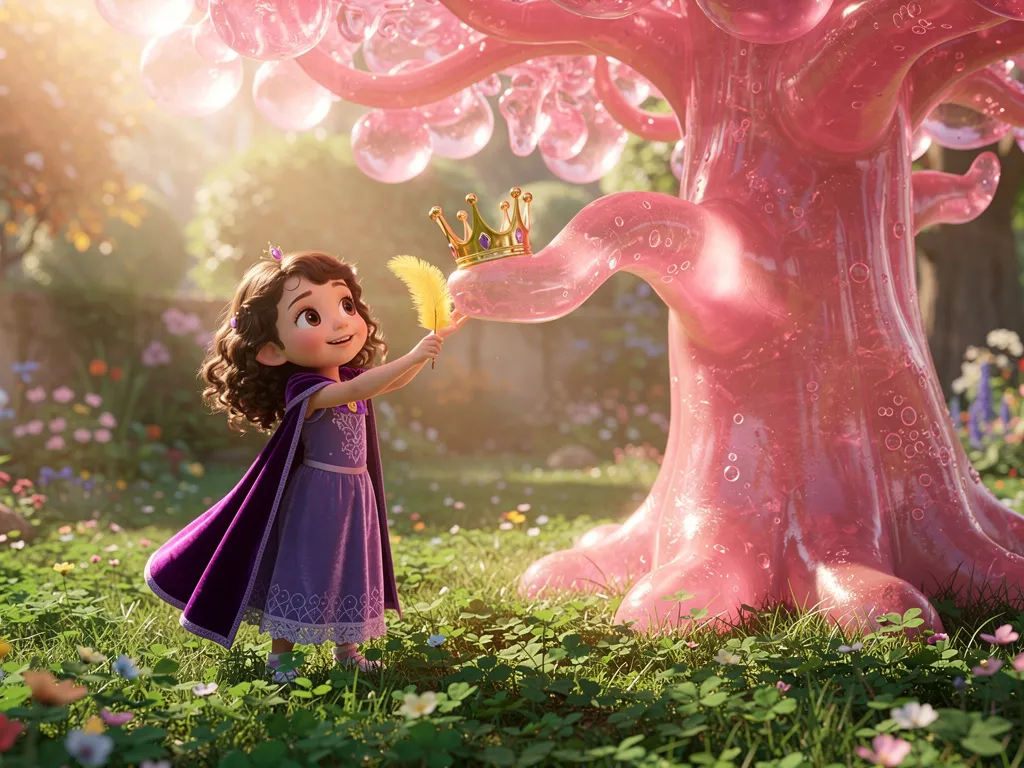
Read children story - Maya and the Wobbly Jelly Tree
When Maya's shiny golden crown gets stuck in a giggly, wobbly pink jelly tree, she must use creative thinking to retrieve it before the castle parade starts!
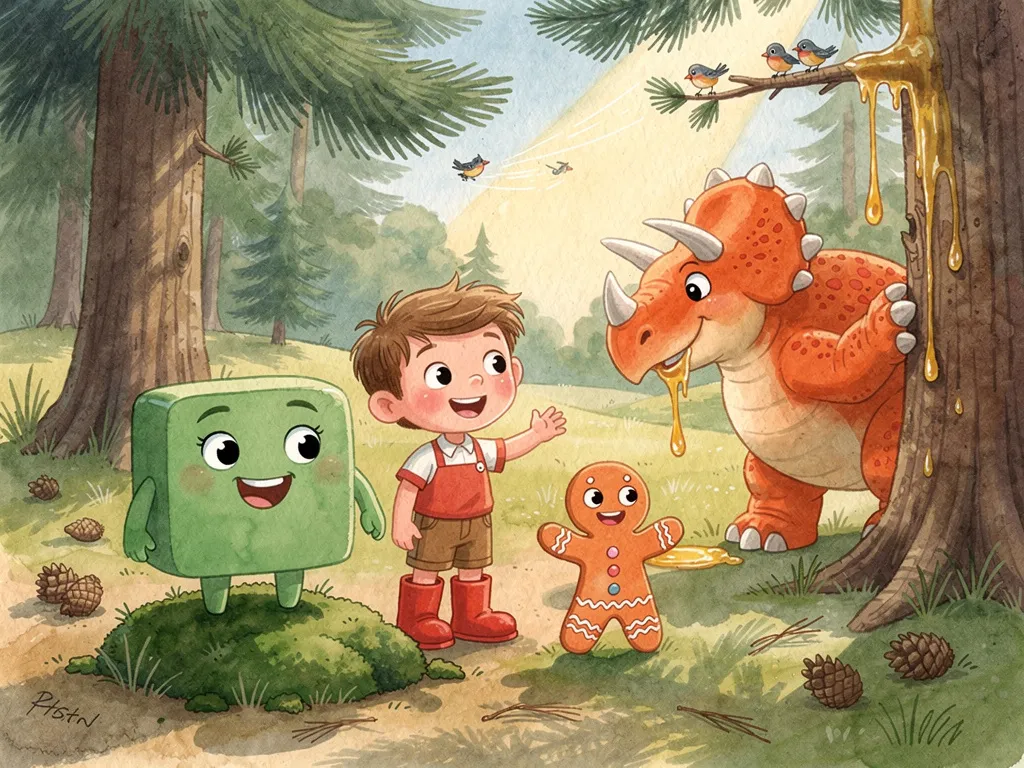
Read children story - The Big Green Pop in the Pine Park
When Gingy the gingerbread man breaks an arm, Pip, Red, and Trike find sticky pine sap to help their friend in this gentle, sweet forest nature adventure.