The Arrival and the Refusal
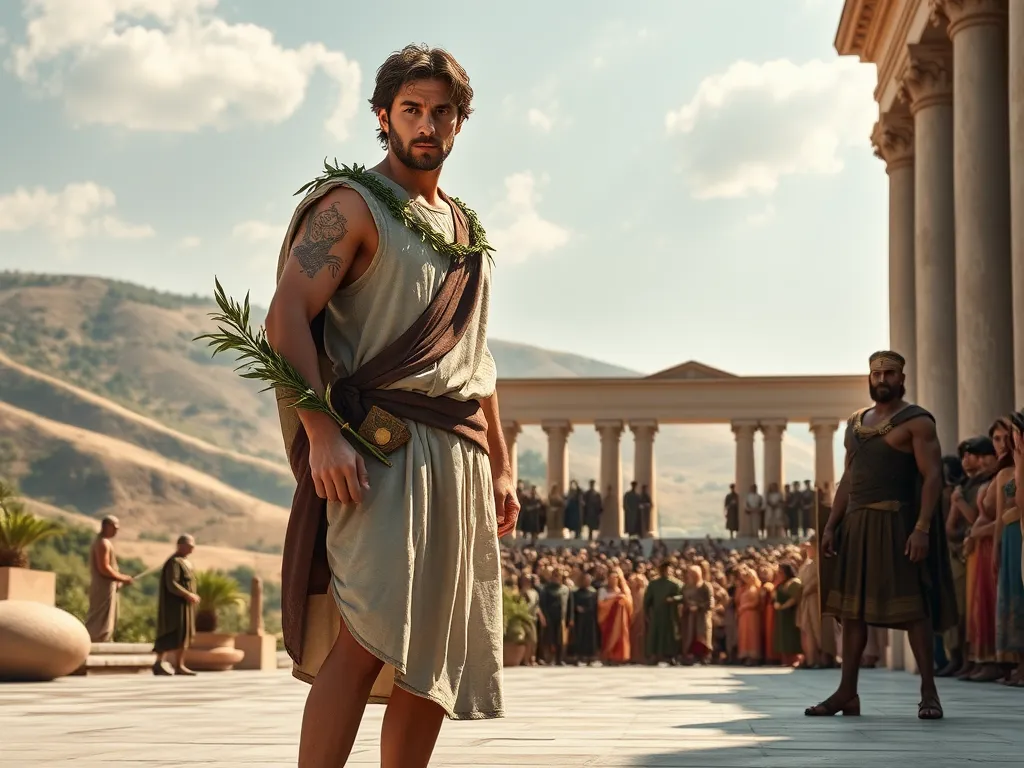
The sun beat down upon the rolling hills of Latium as Aeneas and his Trojan fleet approached the shore. After years of wandering, guided by prophecies and driven by destiny, they had finally arrived. Aeneas, weary but resolute, sent forth envoys carrying olive branches, symbols of peace. They sought an audience with King Latinus, hoping to secure land for their weary people. News of the Trojan arrival reached the court, stirring a tempestuous mix of curiosity and suspicion. Queen Amata, her eyes blazing with fierce protectiveness, stood firm against any alliance. Her heart was set on her daughter Lavinia marrying Turnus, the valiant Rutulian prince. She saw Aeneas as a foreign threat, an interloper seeking to steal what rightfully belonged to her people. Turnus, ever eager for battle and glory, bristled at the thought of sharing Latium with strangers. He yearned to prove his strength, to defend his homeland against any perceived threat. Whispers and rumors spread like wildfire through the palace halls, fueling the flames of discontent. The air crackled with tension, thick with unspoken fears and simmering resentment. Latinus, a wise and thoughtful ruler, found himself caught between the desire for peace and the pressures of his court. He knew the Trojans were weary travelers, but he also understood the deep-seated pride and territorial instincts of his own people. He hesitated, torn between diplomacy and the potential for conflict. He decided to meet with Aeneas hoping to see for himself the intentions of the Trojan prince, little did he know what was to come.
The Seeds of Discord: A Queen's Fury

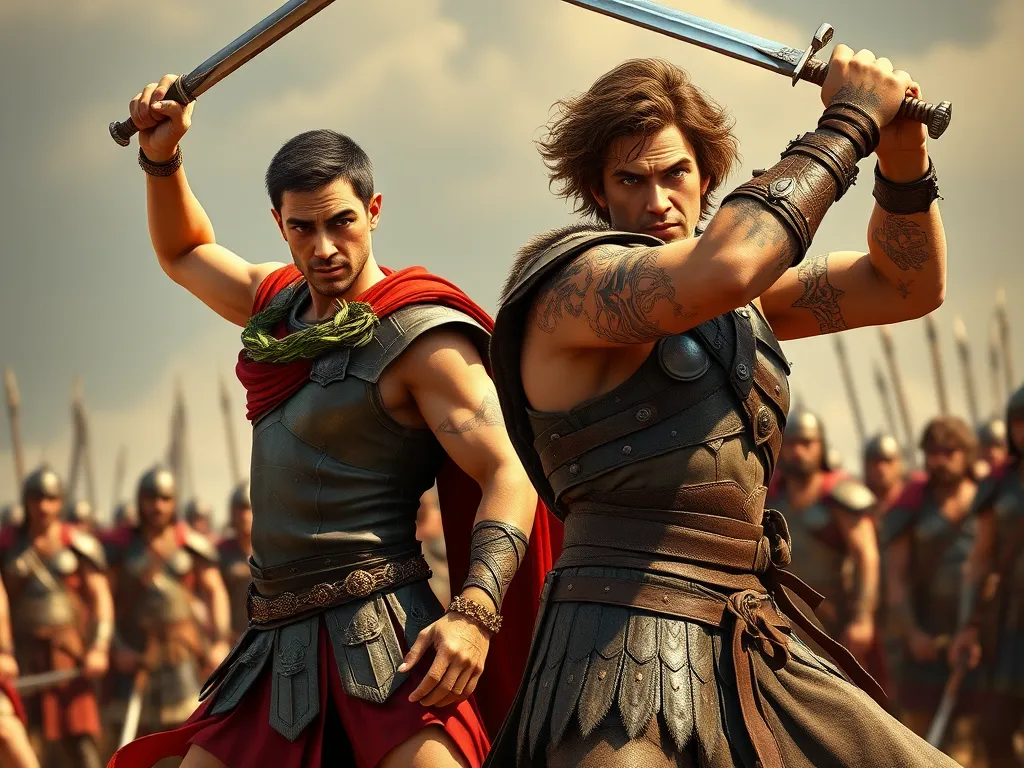
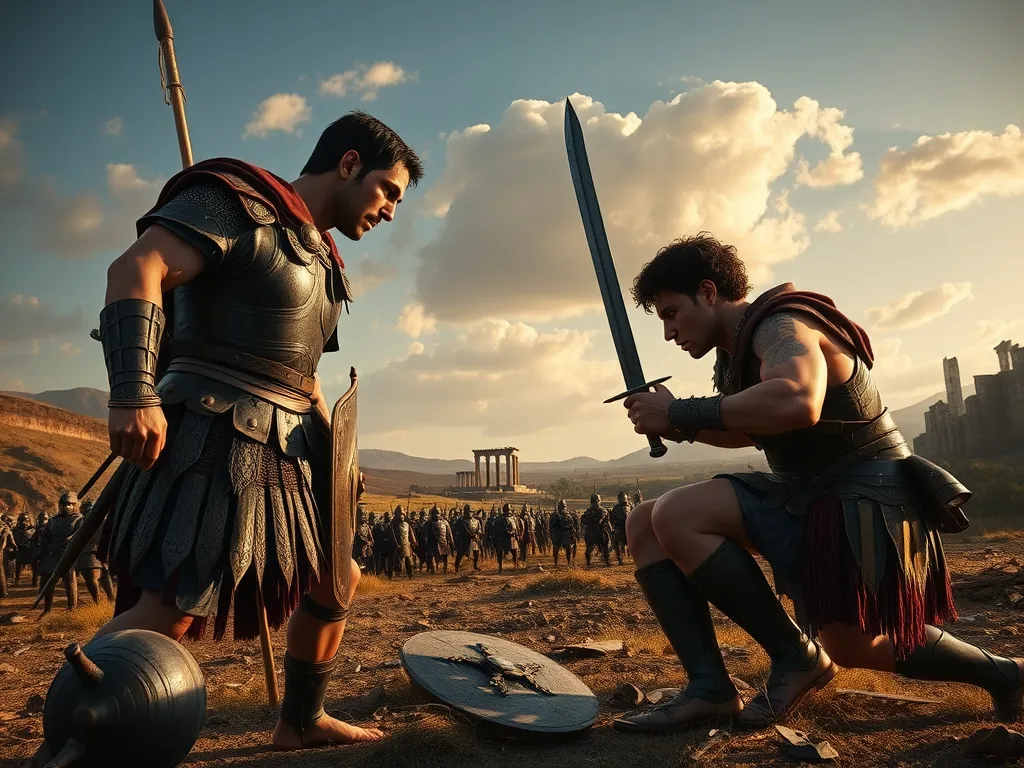
Queen Amata, unable to sway Latinus with gentle persuasion, resorted to more forceful measures. She manipulated the situation, playing upon fears and prejudices within the court. She stirred the people by saying that the gods had destined Lavinia to wed Turnus, and aligning with the Trojans would defy the divine will. Amata declared that Aeneas was nothing more than a pirate come to plunder Latium and enslave its people. Her words, laced with venom and fueled by desperation, found fertile ground in the hearts of those already fearful and uncertain. She secretly contacted Turnus, igniting his ambitions and inciting him to stand against the Trojan newcomers. Turnus, his mind clouded by visions of glory and fueled by Amata’s manipulation, gathered his Rutulian warriors. He polished his silver armor, the red plumes on his helm dancing in the firelight. He brandished his boar-crested shield, a symbol of his fierce determination. They prepared for war, eager to defend what they believed was rightfully theirs. Meanwhile, Aeneas, still hopeful for peace, began fortifying his camp along the shore. He knew that diplomacy could only go so far when faced with such vehement opposition. He ordered his men to dig trenches, erect palisades, and sharpen their swords. He hoped to avoid bloodshed, but he was prepared to defend his people against any aggression. Tension mounted as the two sides prepared for a clash, each convinced of the righteousness of their cause. The fate of Latium hung in the balance, poised on the precipice of war.