
23 Jul 2026
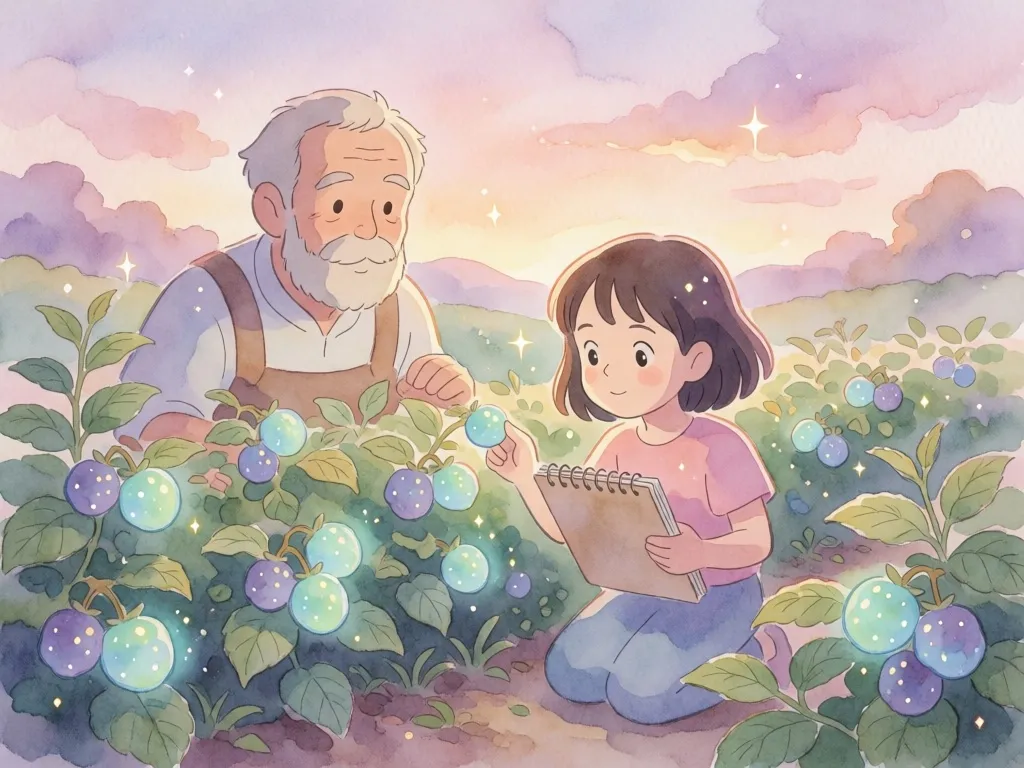
Lily loved inventing stories. Especially stories about spaceships and talking animals. But today, her biggest problem wasn't a rampaging space slug, it was a rapidly emptying berry basket. The annual Moonbeam Berry Festival was just two days away, and the special berries, known for their glowing properties and being super yummy, were disappearing from Grandpa Leo's farm at an alarming rate.
"They're vanishing!" Grandpa Leo declared, his voice a low rumble. He held up a half-eaten berry, its faint blue glow flickering. "Whole rows gone overnight!"
Lily, a curious ten-year-old with a sketchbook always in hand, felt a thrill. This was a real mystery, much better than her fictional ones. "Who would take them, Grandpa? And why just the Moonbeam berries?"
Grandpa Leo scratched his wiry beard. "That's the puzzling part, squirt. No tracks. No broken fences. It's like they just... blinked out of existence."
Lily pulled out her worn notebook. "This sounds like a job for a scientist!" She loved reading her science-themed books, especially ones about forensic science and animal behaviors. Her personal library was packed with everything from "The Big Book of Bugs" to "Constellations for Kids." She decided to approach this like the detectives in her favorite story, "Starlight Sleuths and the Cosmic Culprit."
"First," she announced, tapping her pen, "we need to observe. What do we know?" Thinking like a scientist meant gathering all the facts, big or small.
"They vanish at night," Grandpa Leo offered.
"Only Moonbeam berries," Lily added, jotting it down. "And no tracks."
"And they leave these little bite marks," Grandpa pointed to the half-eaten berry. "Almost like a nibble, not a big chew."
Lily sketched the bite marks. Short, precise, almost like tiny tools. "Hmm. That's a clue. What animals live nearby, Grandpa?"
"Plenty. Rabbits, deer, squirrels, a family of raccoons, and those pesky field mice," he listed. "But none of them usually go for Moonbeam berries. They're a bit... zesty."
"Zesty?" Lily mused. "That's important. Why would something that doesn't usually eat them suddenly start? Is there something new about the berries? Or something new about the animals?"
The next morning, Lily woke early. She drew a detailed map of the berry patch in her notebook. She marked where the berries usually grew, where they were missing, and even the direction of the sunrise. This was part of her scientific literacy – understanding how to record observations clearly.
"Grandpa, we need to set up some tests," she declared at breakfast. "We need to gather more data." Her Grandpa, a good sport, just nodded, used to Lily's scientific escapades.
Their first experiment was simple: a perimeter check. They sprinkled flour around the edge of the patch. If something walked in or out, it would leave tracks. "This is our hypothesis, Grandpa," Lily explained, using a term she learned from her 'Junior Scientist's Handbook.' "If an animal is taking the berries, it will leave tracks in the flour."
Scientific thinking, observation, and critical analysis are powerful tools for solving real-world problems.
Story theme is Problem-solving through scientific inquiry
Originally published on StoryBee. © 2026 StoryBee Inc. All rights reserved.
0 likes
That night, Lily set up her own "experiment" too. She stayed up, reading a book about nocturnal animals, periodically peeking out her window that overlooked the berry patch. She saw nothing but the gentle sway of leaves in the moonlight.
In the morning, the flour was undisturbed. "No tracks," Grandpa said, perplexed. "It's like they're flying off."
"Or burrowing," Lily murmured, looking at her sketches of the bite marks. "What if they're tiny? So tiny they don't even make tracks a human could easily see?" She remembered reading about insects and their surprising strength.
"What if they're not animals at all?" Grandpa proposed, trying to think outside the box. "Could it be something... magical?"
Lily giggled. "Science first, magic later, Grandpa! Let's think about the 'zestiness' of the berries." She picked one, examining its slightly rough texture and shimmering skin. "What makes them glow, again?"
"It's natural bioluminescence, sweet pea," Grandpa explained, remembering a science documentary he'd watched. "Like fireflies. It's a chemical reaction."
"Bioluminescence!" Lily’s eyes lit up. "And what if that chemical reaction is also what's attracting something new? Maybe something that needs that specific chemical?"
This was critical thinking in action. Instead of assuming the usual suspects, Lily was connecting seemingly unrelated facts: the glow, the zestiness, the small bite marks, and the lack of visible tracks.
"We need a closer look," Lily announced. She remembered an article in 'Science Kids Monthly' about using cameras to observe animal behavior at night. "Grandpa, do you have that old wildlife camera? The one Dad gave you?"
Grandpa Leo rummaged in his shed and pulled out a dusty, camouflage-patterned camera. "Perfect! We'll set it up tonight. We need to communicate our observations clearly and precisely," Lily instructed, thinking of the 'Effective Communication' section in her school's reading comprehension book. "We need photographic evidence!"
That evening, they carefully positioned the camera. Lily set up a few small, clear plastic cups with bits of the Moonbeam berries inside, placing them strategically around the camera's view. This was a controlled experiment, isolating variables.
"Why the cups?" Grandpa asked.
"To see if the culprit prefers exposed berries over those still on the vine, or if they just take whatever's easiest," Lily explained. "It's about understanding their behavior patterns."
The next morning, they eagerly checked the camera. Grandpa connected it to his laptop. The screen flickered, showing blurry night-time images.
"There!" Lily pointed. A tiny creature, no bigger than her thumb, was caught in a series of flashes. It was furry, with huge, dark eyes and impossibly long whiskers. It was nibbling a berry in one of the cups.
"A field mouse!" Grandpa exclaimed. "But... they don't eat Moonbeam berries!"
Lily zoomed in on the image. The mouse was indeed tiny. Its bite marks perfectly matched her sketch. "But why?" she mused. "Why now?"
She remembered what Grandpa said about the glowing. "Could it be that the bioluminescence isn't just a chemical reaction, but also a source of light for something that lives in the dark?" She grabbed her 'Big Book of Bugs' and flipped to a section on nocturnal creatures and their diets.
"Field mice are usually seed-eaters," she read aloud. "But some species will supplement their diet with fruits, especially if an unusual food source provides a necessary nutrient or energy boost. And look!" She pointed to a diagram of a mouse's eye. "They have excellent night vision, but their sense of smell is even stronger. And many nocturnal animals are attracted to light sources."
This was an 'aha!' moment. The glowing berries weren't just glowing for no reason; they were acting like tiny beacons in the dark, attracting a creature drawn to light and perhaps a new taste.
"So, the glowing berries attract the mice," Lily summarized. "And the mice, being field mice, are small enough not to leave big tracks, and they prefer a 'zesty' glow-food!"
"We've analyzed the problem!" Grandpa cheered, understanding dawning. "Now, how do we solve it?"
This brought them to the 'Solutions' part of thinking like a scientist. They couldn't just get rid of all the field mice; they were part of the ecosystem. And they certainly couldn't stop the berries from glowing.
"Well," Lily began, brainstorming, "what if we made the berries less accessible to the mice, but still accessible to us?"
Grandpa considered. "Small fences?"
"Too much work and too many berries," Lily countered. "What if we distracted them? Gave them something even more attractive?"
She remembered a section in her 'Gardening for Kids' book about companion planting and natural pest control. "Mice like seeds, right? Especially sunflower seeds or corn?"
Working together, they devised a plan. They would plant a border of sunflower seeds around the Moonbeam Berry patch, a few feet away. The idea was to create a buffer zone, an alternative treat for the field mice.
"This is our new hypothesis," Lily declared, feeling very scientific. "If we provide an alternative, preferred food source, the field mice will be less likely to target the Moonbeam berries."
They spent the afternoon digging small trenches and planting sunflower seeds. Lily also suggested adding a few smooth, flat rocks near the sunflower seeds. "Mice like to hide," she explained, remembering another fact from her books. "If they feel safe eating the sunflower seeds, they'll stay there."
They monitored the patch diligently. The next morning, the flour around the Moonbeam berries was still untouched. But around the freshly planted sunflower seeds, tiny tracks were visible – faint, delicate, but there. The berry cups were undisturbed.
"It worked!" Grandpa exclaimed, a wide smile spreading across his face. "You solved the Mystery of the Vanishing Moonbeam Berries, Lily!"
Lily felt a swell of pride. She wasn't just telling stories anymore; she was discovering them. She had used observation, data collection, critical thinking, and communicated her findings to solve a real-world problem. Just like the scientists in her books, she had unraveled a complex puzzle.
That night, as she drifted to sleep, she started to plot out her next adventure. This one wouldn't be about space slugs. It would be about a brilliant young scientist, an expert in animal behavior and bioluminescence, who saved the Moonbeam Berry Festival. And it would definitely have illustrations of tiny footprints and glowing berries.
When the Moonbeam Berry Festival finally arrived, the berries were abundant and glowing brightly. Lily, wearing a scientist's badge she'd fashioned from an old bottle cap, told everyone who listened how she and Grandpa Leo had outsmarted the field mice. Her story was a vivid mix of scientific facts, creative problem-solving, and the sheer joy of discovery. It was the best kind of story, because it was true. This was the result of thinking like a scientist and connecting learning to real life, inspiring everyone to read science-themed books, and maybe even write their own illustrated stories about space or animals.

Read children story - വിഭീഷണന്റെ സമാധാനയാത്ര: ലങ്കയിലെ രഹസ്യം
ലങ്കയിൽ സമാധാനം കൊണ്ടുവരാൻ ഒരു ചുരുളുമായി രഹസ്യമായി യാത്ര ചെയ്യുന്ന വിഭീഷണന്റെ സാഹസിക കഥയാണിത്. അവൻ അപകടങ്ങൾ തരണം ചെയ്ത് ഒരു പുതിയ സുഹൃത്തിനെ കണ്ടെത്തുന്നു.

Read children story - The Cuddle Cure and the Case of the Missing Cookies
Melissa, a high-functioning autistic four-year-old, feels unwell and only wants to be held by her firefighter dad, Mark. Her grandfather, Randy, and godfather, Jimmy, visit and try to cheer her up, leading to a hilarious hunt for hidden cookies, ultimately solved by Melissa's quiet observation. A heartwarming tale of family, comfort, and the simple power of a cuddle cure.
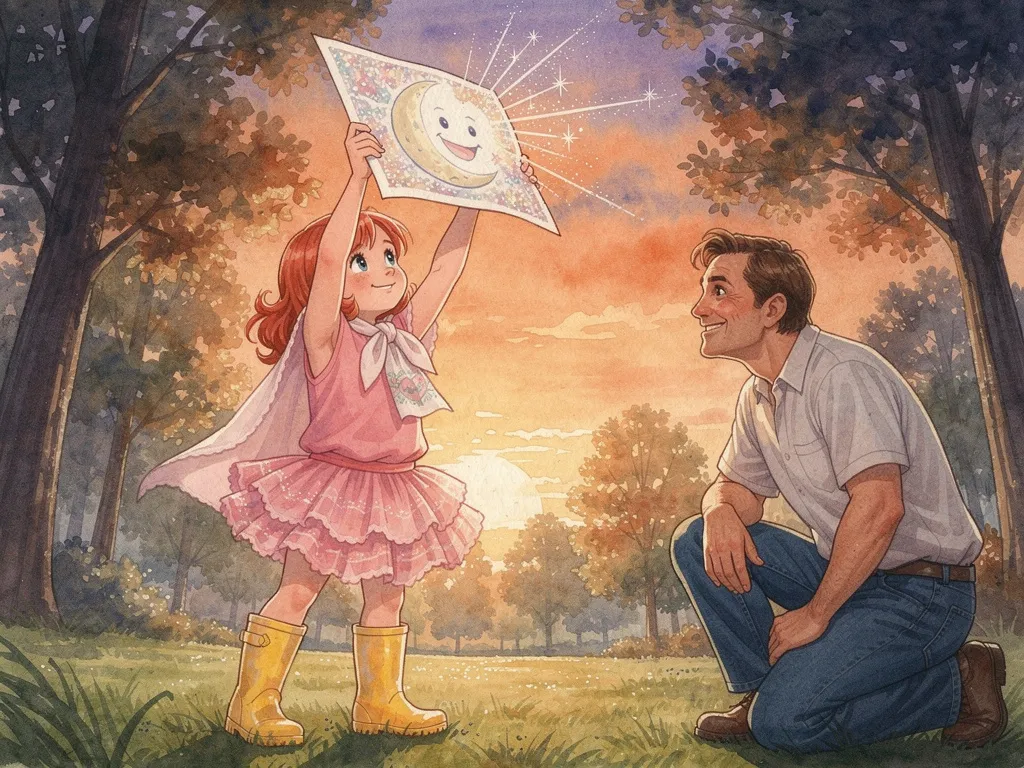
Read children story - Melissa's Mighty Mission: The Case of the Missing Moonbeams
Join Mighty Melissa and her dad, Mark Scott, on a heartwarming superhero adventure to find the "missing moonbeams." This delightful children's story, perfect for ages 6-10, teaches kindness, imagination, and problem-solving as they explore the park, face challenges, and discover that the greatest power is making your own light. A charming bedtime read about a father-daughter bond.
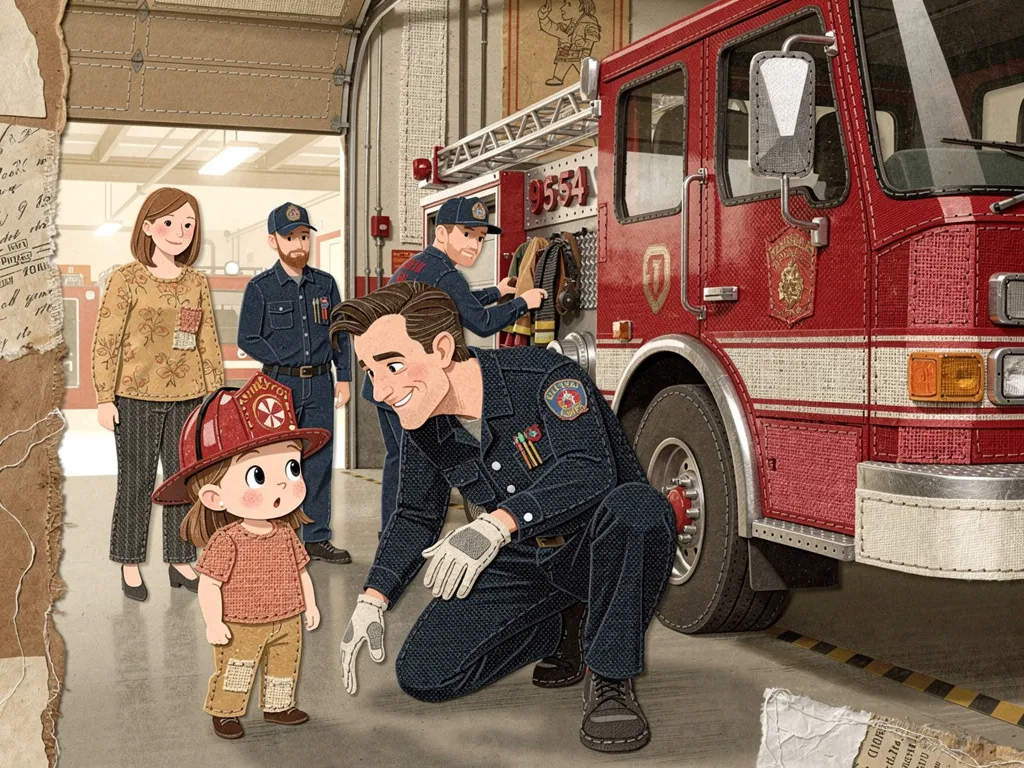
Read children story - When the Princess Visited Fire Station 118
Melissa, a four-year-old with autism, visits Fire Station 118 with her dad, Mark. What begins as an overwhelming experience transforms into a day of discovery and connection, as she unravels the intricate puzzle of firefighting and her father's heroic world. Perfect for ages 10-13, this heartwarming story teaches the value of understanding and family.
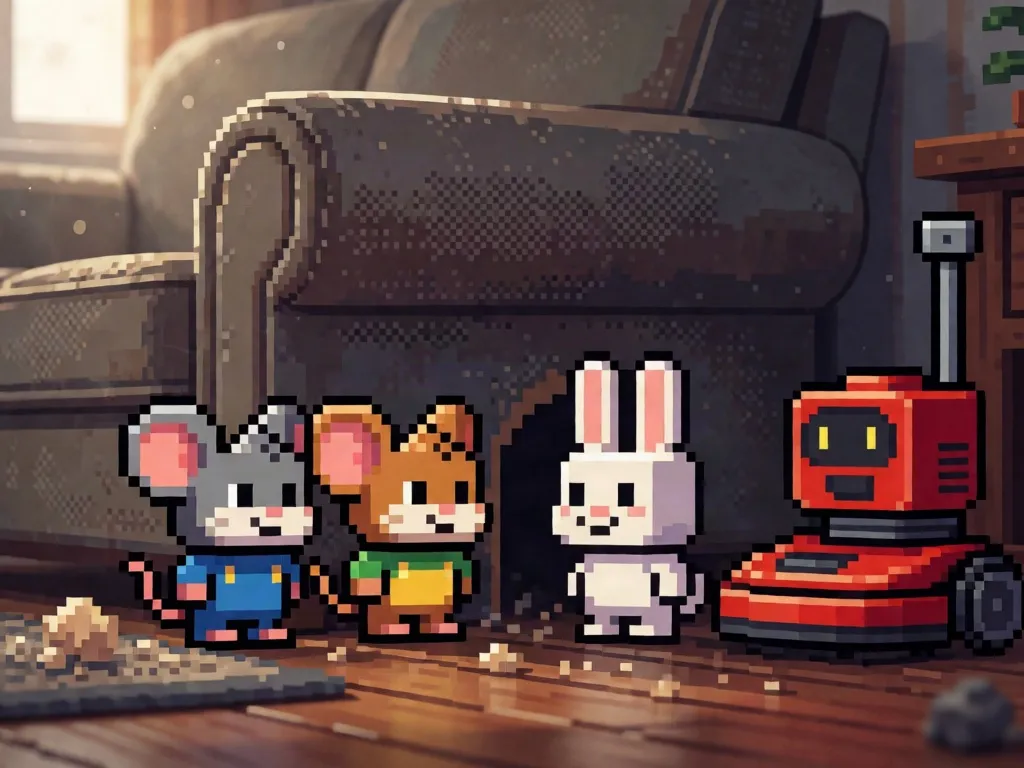
Read children story - Zip and Zippy vs. the Sneaky Red Sweeper
Join cheeky ruler mouse Zip and his witty bunny friend Zippy as they outsmart the Sneaky Red Sweeper, a robo-vacuum, in their cozy house. A hilarious folk tale for ages 4-6 about friendship and clever problem-solving!
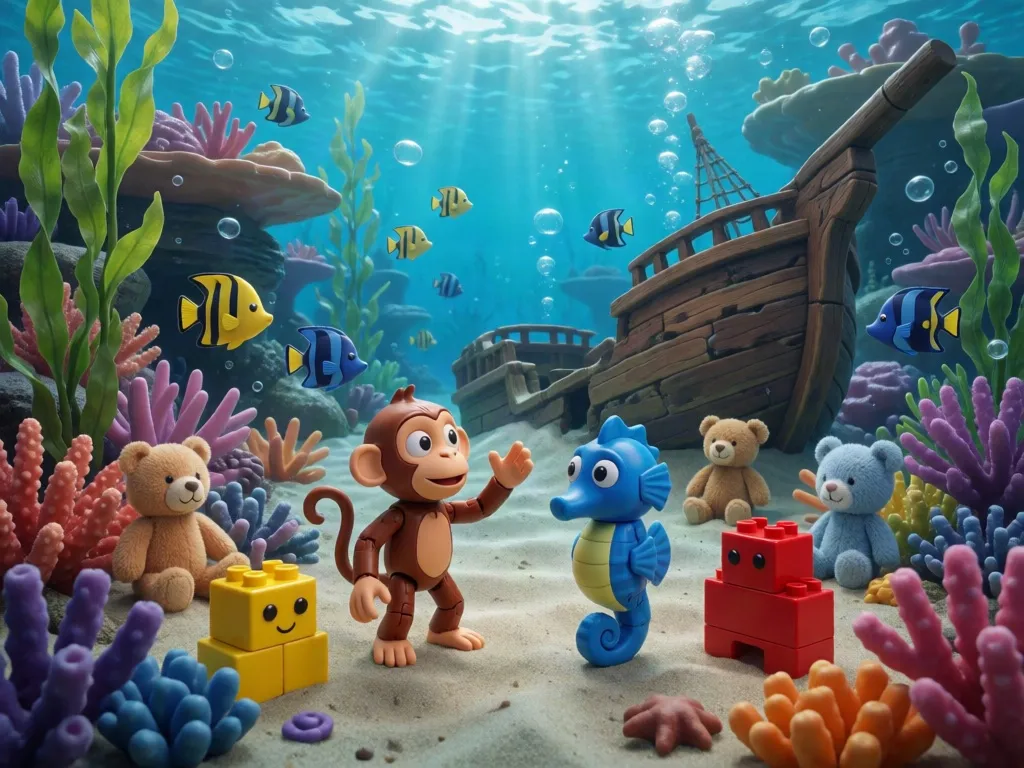
Read children story - Kiran's Coral Quest for the Missing Pearl
Join Kiran, a curious monkey, and his forgetful seahorse friend, Zuri, on an enchanting underwater quest to return a stolen pearl to the Mermaid Queen. A delightful folk tale for ages 6-10.