
22 Nov 2025 · 19-minute read · Adventure

The air in Thrissur buzzed with anticipation. It was Onam, and the streets pulsed with life. Drums throbbed, casting a heady rhythm over the town. The scent of jasmine and marigolds hung heavy in the air, mingling with the delicious aroma of sweet payasam being prepared in every home. But for Manu, a whirlwind of anxiety churned within him, threatening to spoil the festive cheer. He was ten years old, with eyes as bright as the painted tigers that adorned the streets, and a heart overflowing with the spirit of Pulikali. This year was special. He was finally old enough to lead his family's Pulikali troupe, a tradition passed down through generations.
Manu adjusted his vibrant costume. Orange and yellow stripes painted his lean body, mimicking the majestic tiger. He tugged at the small bells tied around his ankles, their cheerful jingle doing little to soothe his frayed nerves. The Pulikali parade was about to begin, and he held in his hands something far more precious than any costume. It was his family's ancient tiger mask, a relic over a hundred years old. Carved from teakwood and adorned with gleaming brass teeth and fierce, painted eyes, the mask was not just an artifact; it was a symbol of his family's legacy, their connection to the spirit of Onam, and his grandfather's greatest treasure.
He clutched the mask closer, feeling the smooth, cool wood against his sweaty palms. He had promised his grandfather he would take great care of it. Suddenly, a commotion broke out nearby. A group of children were chasing a stray kite, their laughter echoing through the throng of people. Manu, distracted by a rogue nudge from behind, momentarily set the mask down on a nearby stone ledge to steady himself. Just for a moment. But in the blink of an eye, when he turned back, the mask was gone!
Panic seized him. He frantically scanned the area, his painted face twisting in dismay. The ledge was empty. The mask, the legacy, vanished into the bustling crowd as if swallowed by the very spirit of the festival. Tears welled up in his eyes, blurring the already vibrant scene. He pushed through the crowd, desperately searching, calling out, “Mask! Tiger mask! Has anyone seen a tiger mask?” But his voice was lost in the din of the drums and the laughter of the revelers. His grandfather's face flashed in his mind, lined with years of stories and love. He imagined his disappointment and Manu's chest tightened with guilt.
Lost and bewildered, Manu stumbled into a quieter side street. He sank onto a low wall, his painted tiger stripes feeling more like prison bars than festive decorations. He covered his face with his hands, feeling the shame wash over him. “How could I be so careless?” he whimpered. “The parade is about to start, and the mask is gone!”
Suddenly, a voice, raspy yet melodic, broke through his despair. “Lost something, little tiger?” Manu looked up and saw, standing before him, a figure unlike anyone he had ever seen. It was an old man, but not quite. His eyes glowed with an unusual intensity, and ancient jewelry adorned his wrists and neck. The most striking feature was the tiger-striped shawl draped over his shoulders and jewelry of strung tiger claws. He wore a knowing smile, as if he read every thought in Manu’s mind. “I am Kavi,” he said, his voice echoing with the rustling of leaves and the murmur of ancient rivers. “And I know about your missing mask.”
The value of traditions, unity, and the spirit of empathy can revive a community's true joy and identity.
Story theme is Tradition, community, and rediscovering values
Originally published on StoryBee. © 2026 StoryBee Inc. All rights reserved.
Make your own version of this adventure story →Want to know what happens next? Make your own part 2 →
0 likes
Manu’s eyes widened. “You do? Have you seen it? Can you help me find it?” Kavi chuckled, a sound like the distant roaring of a tiger. “Finding it will not be easy, little one. The mask is intertwined with the spirit of Onam, with the very soul of Thrissur. To find it, you must understand what it means to be a Pulikali dancer, a guardian of tradition.” He paused, his gaze shifting to some unseen point in the distance. “Are you willing to undertake this quest, Manu? It will test your courage, your wit, and your heart.”
He had no choice. For his family, for his grandfather, for the legacy he was meant to carry. He nodded, his voice trembling slightly. “I am ready.” Kavi smiled. “Then let our journey begin. But hurry, the sun is already beginning to dip below the horizon.” Kavi beckoned Manu closer and whispered, "To find what is lost, listen to the whispers of the past." He then touched a small, intricately carved wooden tiger amulet that hung around Manu’s neck. The amulet, a gift from his grandfather, grew warm, radiating a gentle, pulsing light. “This amulet will guide you,” Kavi said. “Follow its warmth. But be warned, the path ahead is fraught with challenges. Trust your instincts, Manu, and never forget the spirit of Onam.”
With that, Kavi vanished into the crowd, leaving Manu standing alone in the side street, the warm amulet his only guide. Manu closed his eyes, focused on the amulet's gentle warmth, and then opened them, determined. He felt a surge of courage mixed with trepidation. He had no idea where to start, but he knew he had to try.
The amulet pulled him towards the heart of the festival, deeper into the maze of streets overflowing with joyous celebrants. The air thrummed with the rhythm of drums and the vibrant colors of silk sarees, and the tantalizing aroma of festive foods. The amulet led him through a throng of people watching a Kathakali performance. Actors with painted faces and elaborate costumes danced their stories, which were so captivating, and they blocked his attempt to cross the street and almost had to fight to get across. Manu squeezed through the crowd, feeling the amulet growing warmer.
He soon came to the elephant procession. Magnificent elephants, adorned with gold ornaments and colorful caparisons, lumbered majestically down the street. Riders sat atop its back waving to the cheering crowd. The amulet tugged him toward a small alleyway, just wide enough for a single person to pass. The alley was dark and narrow. A sharp contrast to the joyful chaos of the main street.
The alley opened into a small courtyard where a group of artisans were busy at work. They were creating the elaborate floral carpets, or Pookalams, central to the Onam celebrations. The air was thick with the scent of flowers, a vibrant mix of jasmine, marigold, and roses. He watched their nimble fingers as they carefully arranged the petals, creating intricate designs. He noticed the amulet pulsed even more, so he knew the answer was in this very courtyard. He politely asked if any of them had seen a tiger mask. They shook their heads, their eyes focused on their colorful creations. Feeling defeated, Manu sat down on a nearby step, his head in his hands. He needed to think.
Kavi’s words echoed in his mind: "Listen to the whispers of the past." What did it mean? How could he listen to the past? He looked around the courtyard, trying to find a clue. His gaze settled on an elderly artisan. She was adding the final touches to a Pookalam that depicted a scene from the Ramayana. The story of Lord Rama's triumph over Ravana. Manu remembered his grandfather telling him stories about Onam, about King Mahabali, and the importance of Dharma, righteousness. He understood the value they placed on truth and the fight against injustice. That was when it hit him. He needed to find someone who remembered the old days, someone who understood the true spirit of Onam. Someone like that might know where the mask was.
He approached the elderly artisan cautiously. “Aunty,” he said respectfully, “excuse me. I am looking for something precious, something lost. I was told to listen to the whispers of the past. Do you know what that means?” The old woman smiled, her eyes crinkling at the corners. “The whispers of the past are all around us, child,” she said softly. “They are in the stories we tell, in the songs we sing, in the traditions we uphold. But sometimes, you need to listen very carefully to hear them.” She paused, studying Manu’s painted face. “What is it that you have lost, little one?”
Manu explained about the mask, about his family's legacy, and about his grandfather's trust. The old woman listened patiently, her expression growing grave. When he finished, she sighed. “The tiger mask,” she said. “That is a sacred object. It holds the spirit of Pulikali. Losing it is a serious matter." She pondered for a moment, then pointed towards a small, ancient-looking temple at the edge of the courtyard. “Go to the temple. Speak to the priest. He is the keeper of our traditions. He may know something.” Manu thanked her profusely and raced towards the temple. The temple was small and simple. Its stone walls were covered in intricate carvings depicting scenes from Hindu mythology. The air inside was cool and peaceful, a sanctuary from the chaos of the festival outside. He found the priest sitting in a quiet corner, chanting softly. He was an old man, his face lined with wisdom and his white hair tied in a neat knot.
Manu approached him respectfully and told him his story. The priest listened attentively, stroking his long white beard. “The tiger mask,” he said when Manu finished. “A powerful artifact. It is said to hold the spirit of the first Pulikali dancers, the brave men who donned the tiger stripes to ward off evil spirits and protect the village.” He closed his eyes for a moment, as if listening to some inner voice. Then, he opened them and said, “I cannot tell you where the mask is, child. But I can tell you this: the mask is drawn to strong emotions. To joy, to sorrow, to fear, to courage. Think carefully, child. Where have you felt the strongest emotions today?”
Manu thought about his day. He had felt joy when he first put on his costume, ready to lead the Pulikali troupe. He had felt fear when he realized the mask was missing. He had felt shame when he thought about his grandfather's disappointment. But the strongest emotion he felt was a wave of overwhelming sadness. He remembered the moment he lost the mask just as a group of children were chasing a stray kite nearby. He hadn't thought about it at the time, but now he remembers the mask was lost when he was near those children. Children and kites... He thought of his friend, who loved to fly kites. That was where he had to go!
He raced out of the temple and back into the bustling streets. The sun was beginning to set, casting long shadows across the town. He could hear the drums of the Pulikali parade getting closer, a constant reminder of his failure. He ran as fast as his legs could carry him, dodging through the crowds, his painted tiger stripes a blur of orange and yellow. Finally, he reached the open field on the outskirts of town where his friend, Arjun, often flew his kites. Arjun was there, his face lit up with joy as he maneuvered his kite high in the sky.
Manu ran towards him. “Arjun! Have you seen a tiger mask? An old one, made of wood?” Arjun looked surprised. “A tiger mask? No, I haven’t seen it. Why?” Manu explained his predicament, his voice filled with desperation. Arjun listened patiently, his expression growing concerned. When Manu finished, Arjun shook his head. “I haven’t seen a mask, Manu. I would have remembered. But… wait a minute.” He pointed towards a small shed at the edge of the field. “Some of the younger kids were playing in there earlier. They found something interesting, I think. Maybe you should check it out.”
Manu’s heart leaped with hope. He raced towards the shed, his legs pumping furiously. He reached the shed and peered inside. It was dark and dusty, filled with old tools and discarded scraps of wood. And there, lying in a corner beneath a pile of old rags, was the tiger mask! Relief washed over him, so potent that his knees buckled beneath him. He grabbed the mask, his fingers tracing the familiar curves of the wood, the fierce glint of the brass teeth. It was safe. He had found it!
But as he held the mask, he noticed something was different. The painted eyes, once so fierce and vibrant, were now dull and lifeless. The mask felt… empty. He realized that the mask was just an object. It was the spirit of Pulikali, the tradition, the legacy that truly mattered. And that spirit was fading. He remembered Kavi’s words: “The mask is intertwined with the spirit of Onam, with the very soul of Thrissur." He understood now. The mask was missing because the true meaning of Onam was being lost in the celebrations, in the noise, in the superficial glee.
He ran back to Arjun, holding the mask tightly. “I found it,” he said, his voice filled with a newfound determination. “But it’s not enough. The mask is just a symbol. We need to bring the spirit of Onam back to life.” Arjun looked confused. “What do you mean?” Manu explained his realization, about the true meaning of Onam, about the importance of tradition, about the need to remember the values of King Mahabali. Arjun listened intently, his eyes widening with understanding. “You’re right, Manu,” he said. “We’ve been so caught up in the festivities, we’ve forgotten what it’s all about.”
Together, they hatched a plan. They gathered the other children who were playing in the field and explained their idea. At first, the children were hesitant. They just wanted to enjoy the parade, to eat sweets, to have fun. But Manu spoke with passion, his voice resonating with sincerity. He told them stories about King Mahabali, about his generosity, his fairness, his love for his people. He reminded them of the importance of sharing, of caring, of helping those in need. Slowly, the children began to understand. They agreed to help.
They raced back into town, spreading the word. They went to the Pookalam makers and asked them to create a special design, one that depicted the story of King Mahabali. They went to the Kathakali dancers and asked them to perform a scene that highlighted the values of Onam. They went to the elephant procession and asked the riders to share stories about King Mahabali with the crowds. And they went to the Pulikali dancers and asked them to incorporate elements of the traditional stories into their performance.
The response was overwhelming. People were eager to embrace the true spirit of Onam. The Pookalam makers created a stunning carpet that depicted King Mahabali blessing his people. The Kathakali dancers performed a moving scene that showcased his wisdom and compassion. The elephant riders shared stories that captivated the crowds. And the Pulikali dancers, inspired by Manu’s passion, incorporated elements of the traditional stories into their performance, reminding everyone of the values of Onam. The Pulikali drummers felt the difference and began playing with a new inspiration. They were playing to bless the town's people.
The atmosphere in Thrissur transformed. The noise and chaos were replaced by a sense of peace and joy. The celebrations became more meaningful, more heartfelt. People began to share, to care, to help each other. The spirit of Onam was alive again.
Manu, wearing the tiger mask and leading his family's Pulikali troupe, felt a surge of pride. He had not only found the mask, but he had also rediscovered the true meaning of Onam. As the parade began, he noticed a familiar face in the crowd. It was Kavi, the mystical tiger spirit. He smiled at Manu, his eyes conveying a sense of deep satisfaction. Manu bowed his head in respect. He understood now. Kavi was not just a guardian of the mask, but a guardian of the spirit of Onam.
As the sun set, casting a golden glow over Thrissur, Manu saw another majestic figure. It was Mahabali, the benevolent King. He appeared at the heart of the celebrations, radiating warmth and joy. He smiled at Manu, nodding his head in approval. Manu smiled back. He knew that King Mahabali was pleased. The spirit of Onam was alive and well, and the legacy of King Mahabali would continue to inspire generations to come.
From that day on, Manu became known as the Guardian of Onam. Every year, during the festival, he would share the story of the missing mask and the rediscovery of the true spirit of Onam. He taught the younger generation about the importance of tradition, the values of King Mahabali, and the need to protect the soul of Thrissur. And every year, the people of Thrissur would celebrate Onam with renewed passion and a deep appreciation for the true meaning of the festival. They danced, they sang, they shared, they cared, and they remembered. And in their hearts, the spirit of King Mahabali lived on, forever blessing their lives.
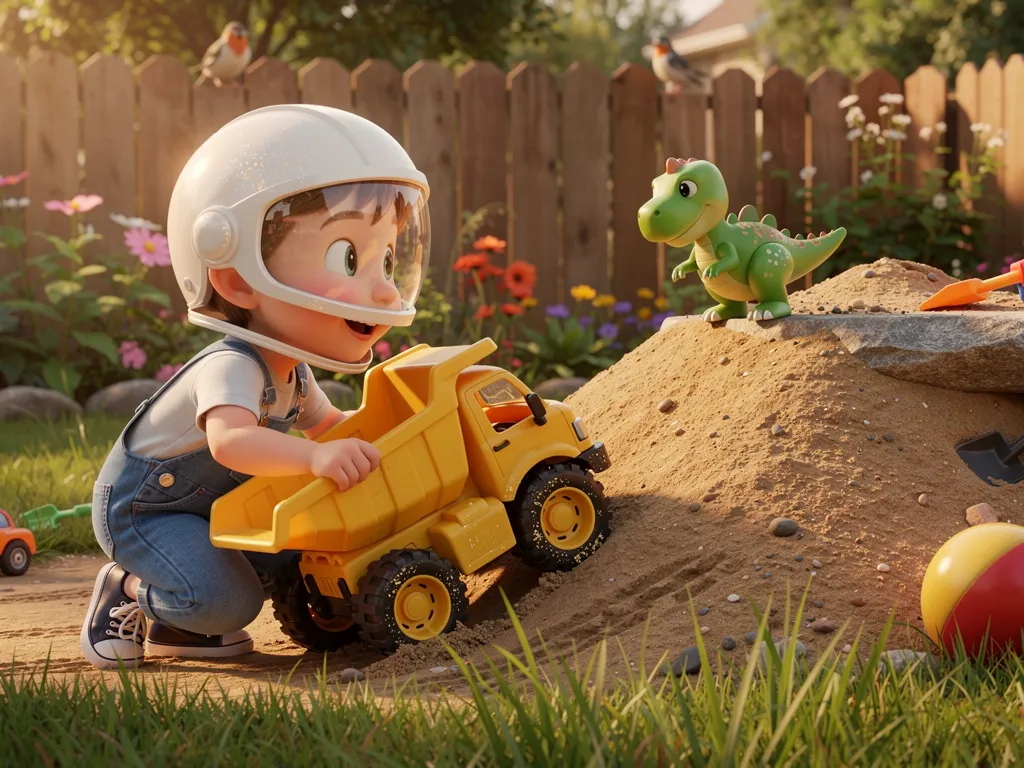
Read children story - Ethan and the Moon Mountain Rescue
Join young space explorer Ethan as he races his sturdy yellow dump truck up a sandbox hill to rescue his toy dinosaur before garden sprinklers rain down!
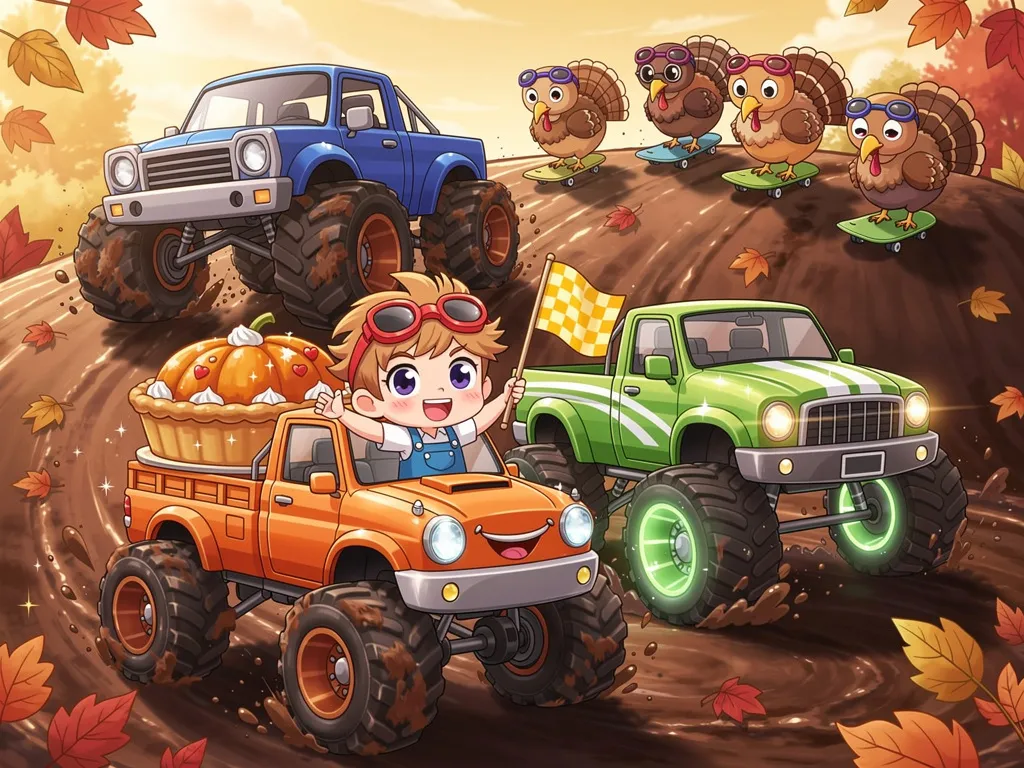
Read children story - Pip and the Pumpkin Pie Rumble
Join Pip and his orange monster truck, Cruncher, on a wild Thanksgiving adventure to deliver a giant pumpkin pie with help from skateboarding turkeys!
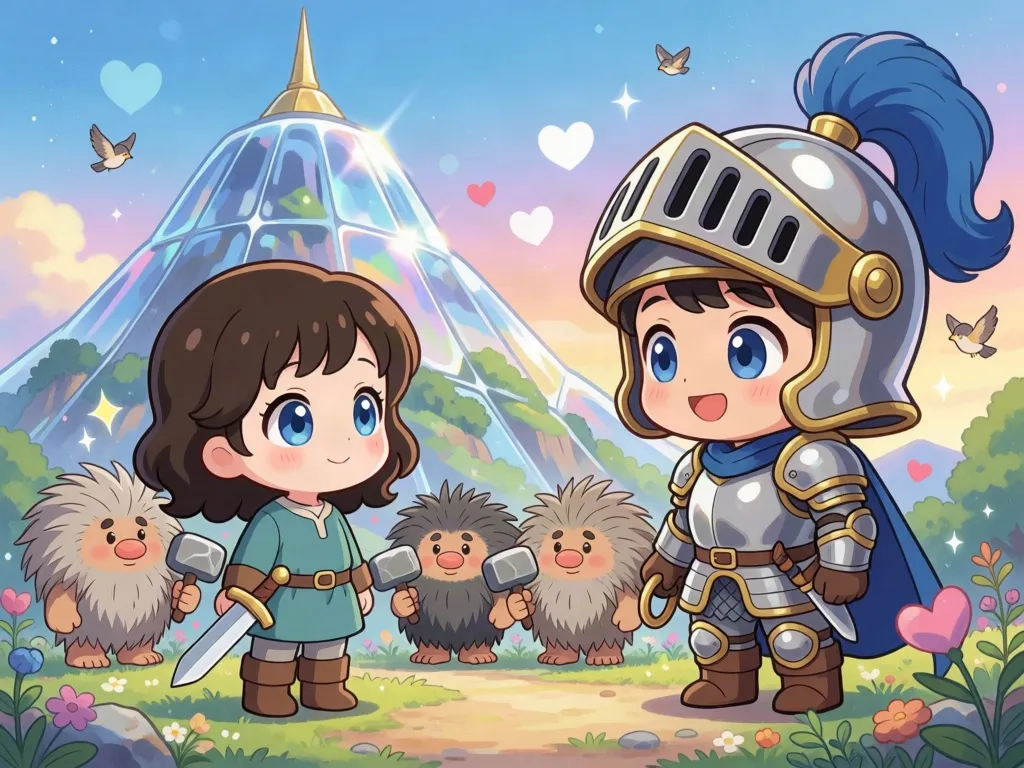
Read children story - The Girl and the Slippery Glass Mountain
Join Knight's Daughter on a fun mountain adventure! Can she climb the slippery glass cliffs to reach Knight? Discover this sweet, cheerful tale for ages 4-6.
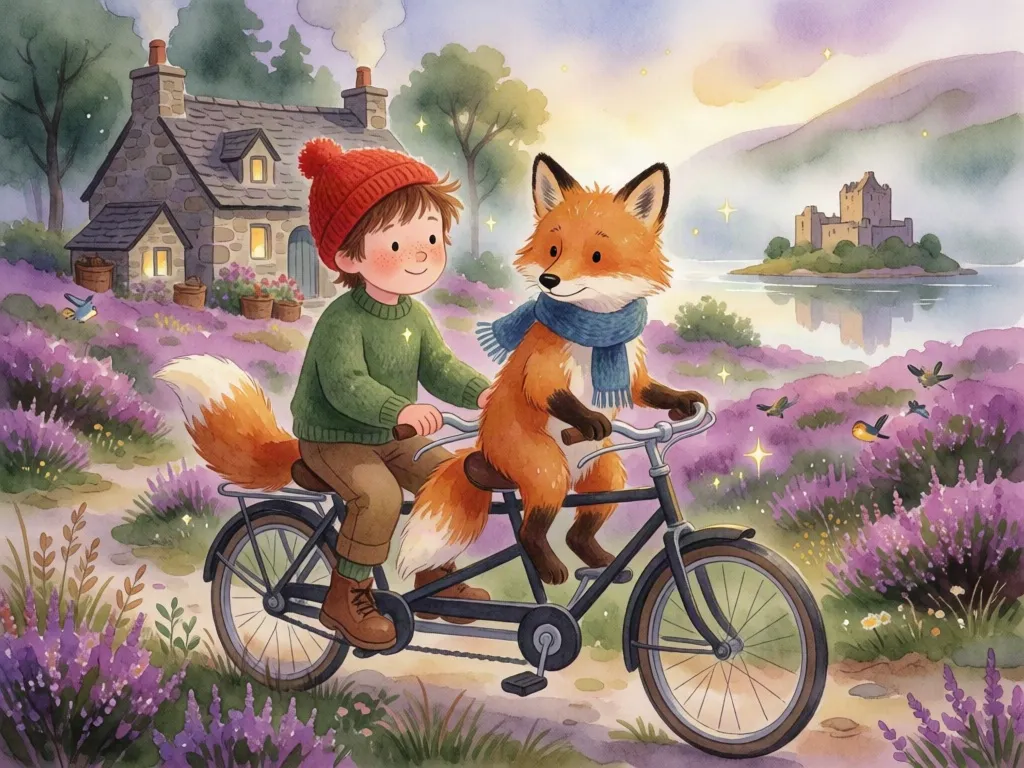
Read children story - The St. Andrew's Day Ride to Dragon Castle
Join Jamie and Rusty the fox on a daring tandem bike ride across the Scottish Highlands to deliver a special St. Andrew's Day letter to a castle dragon!
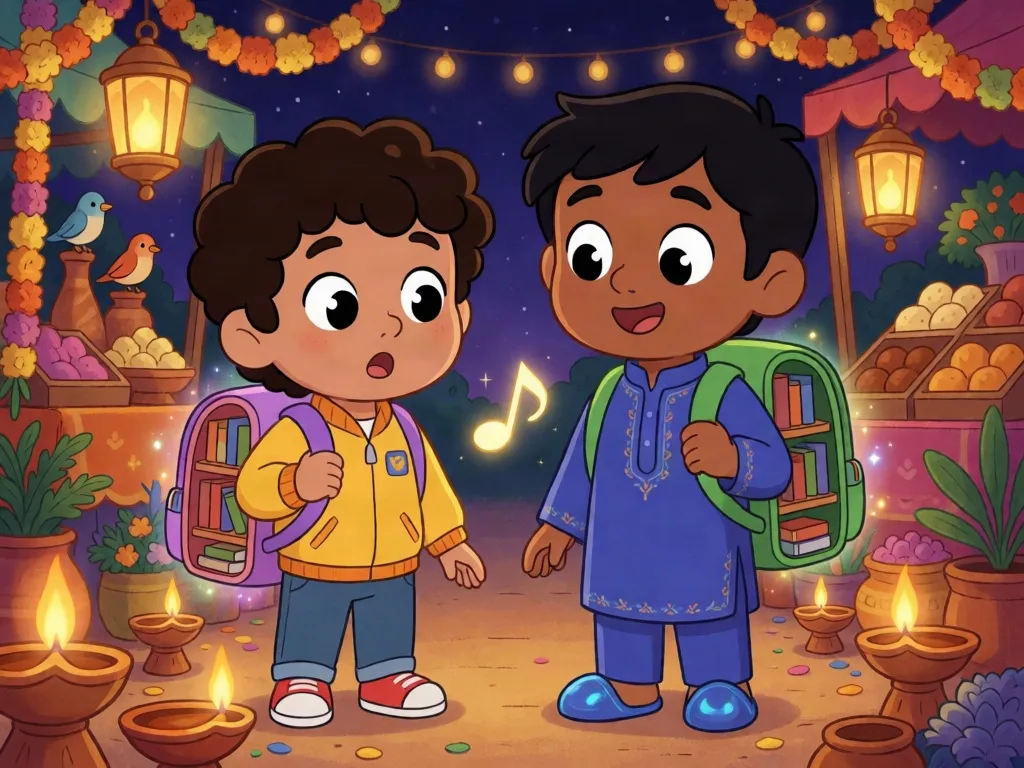
Read children story - Vikram and Kai Chase the Stolen Tune
Vikram and Kai chase a mischievous melody thief through a glowing Diwali market to save the festival's traditional song in this playful preschool adventure.
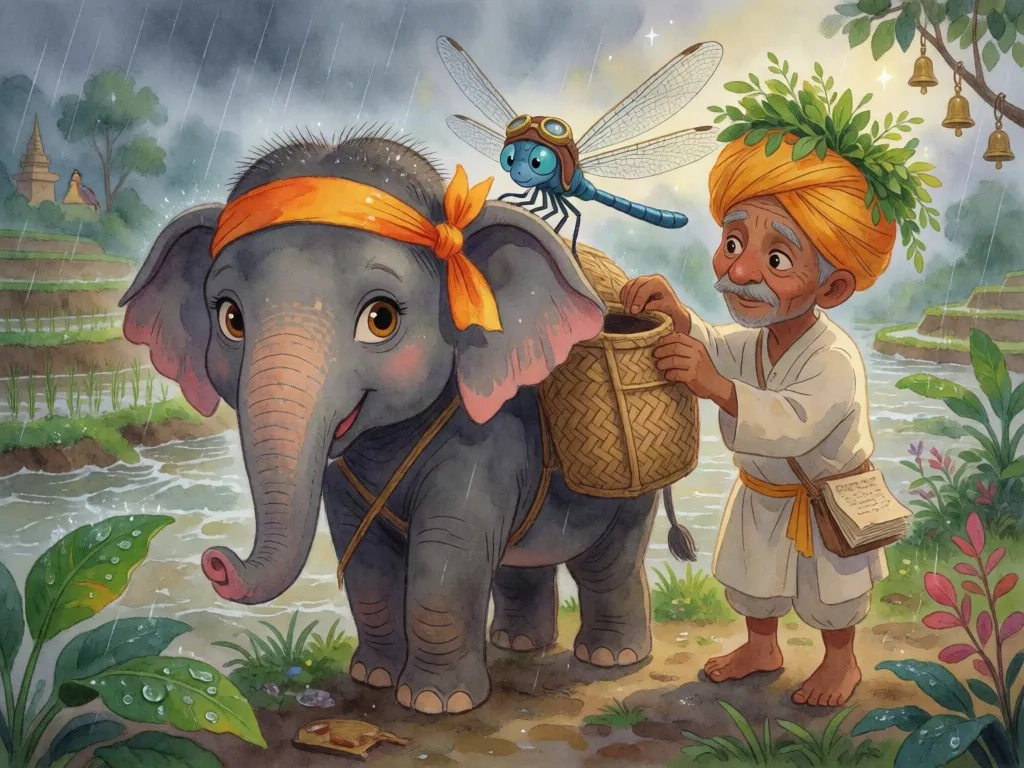
Read children story - The River Crossing of Ananya and Miraco
Join brave elephant Ananya and pilot dragonfly Miraco as they battle monsoon currents to deliver vital medicine on World Health Day!